



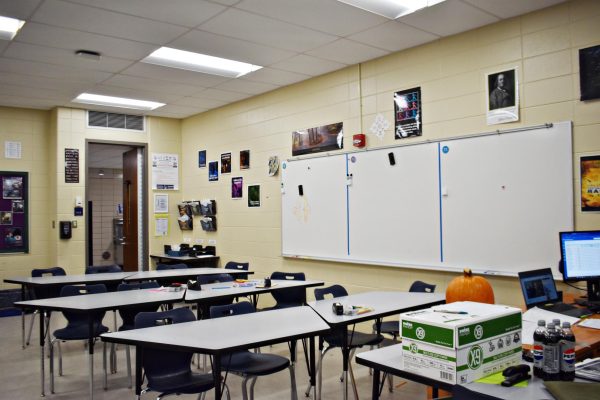
By early afternoon, sunlight beams through the floor-length windows across the second-floor hallway at WEGO, casting long, warm stripes on the tile. Turn a corner, though, and the glow disappears – replaced by cool, unchanging LED lights no matter the season outside.
Positive effects of sunlight
Sunlight has been proven to have an array of effects on both the mind and the body. Not only is sunlight the most effective source of vitamin D, but it also releases serotonin in the brain, which regulates mood, helps control bowel functions, supports wound healing, and more.
Exposure to sunlight throughout the day can improve someone’s overall well-being, including a decrease in anxiety and depression.
Major depressive episodes are becoming more frequent. In 2021, an estimated 5 million adolescents ages 12 to 17 in the U.S who had had a minimum of one major depressive episode: and for some, sunlight was part of the solution.
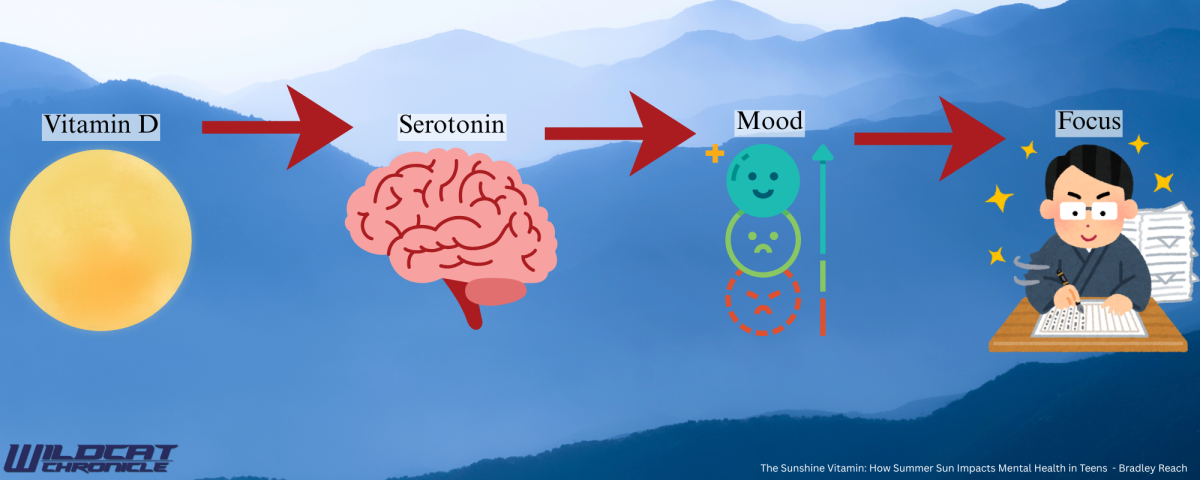 Additionally, natural light boosts attention spans, engagement, and overall happiness. However, reduced sunlight exposure can cause anxiety.
Another benefit of increased sunlight exposure is its effects on the circadian rhythm. Typically referred to as the “internal clock,” circadian rhythm is dependent on sunlight to work properly. Without it, the body may experience daytime drowsiness or fatigue, mistaking a dark room for nighttime.
In a survey conducted by Columbia County Spotlight, 84% of Eisenhower Elementary teachers reported that after the installation of windows, student mood increased – as did test scores.
LEDs vs. natural light
However, not all light is created equal. After the school’s new LED installation, some unexpected side effects began to arise. Students at West Chicago Community High School have reported experiencing more headaches than they did last year, before the new lights were installed.
American schools spend roughly $8 billion a year on energy, but whether or not that is negative is up for debate.
“I find it much easier to do my work with abundant natural light. As a person who has chronic migraines, LED lights can be deeply unpleasant, especially on very long days,” WCCHS English teacher Healy Rodman said. “I cherish the little coffee break I can take between school and conferences, mostly for the natural sunlight I can get.”
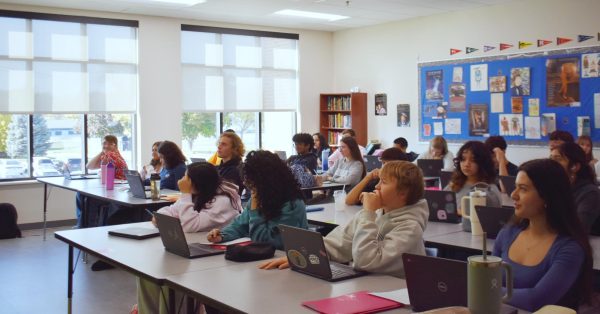
During the school’s renovations, windows were added to the second story. The exact reason for this is unclear, but before the 1930s, schools were lit by natural light only. Architects have since revived the importance of windows through the open-air movement, which focuses on ample daylight and ventilation.
“I’m sure with the addition of a ton of windows, it was probably more aesthetic to let a lot of natural light in, but I don’t know exactly if safety or safety scenarios were discussed,” Executive Director of Operations and Safety, David Pater, said.
While natural lighting has its positive effects, large windows can also be a distraction in the classroom. Cars driving by, people arriving late, and snowfall are some of the many distractions students might see during the school day.
“In the fall and spring…everything feels a little more chipper and, forgive the pun, sunnier. However, such large windows provide a huge distraction any time there is adverse weather, or just people living their lives…especially teaching freshmen. Having the blinds up with those large windows can mean the entire class is derailed just because someone in the neighborhood is jogging,” Rodman said.
For staff, the lack of windows can often be a problem. Teachers in the math hallway or other windowless corridors are left out of the loop when it comes to changes in the weather, and their circadian rhythms may suffer.
“I remember one day I walked out the pool entrance to be surprised by three inches of snow. It wasn’t on the forecast, and I didn’t see any of it falling. At this point, I’m used to being in a windowless room for eight hours a day. But in general, windowed rooms are much nicer to be in,” Hayes said.
According to Hayes, teachers’ requests for more windows in the math hallway were denied.
“When we were brainstorming for the math area remodel, we had asked for the rooms with outside walls to be given windows like the rooms in the original building have, or at the very least high windows near the ceiling to get some natural light,” Hayes said. “So I would say the math division wished to have windows wherever we could.”

Indoor vs. outdoor schools
Before the 1930s, classrooms relied solely on sunshine to light academic spaces – a design that has resurfaced through open-air architecture.
In places with warm climates year-round, some schools are considered outdoor schools, meaning the hallways, lockers and courtyards may be outside rather than enclosed.
Open-air schools were originally created to help decrease the spread of tuberculosis, but now they serve additional purposes, including promoting mental and physical wellness.
“Getting the chance to be outside after 50-minute classes, even though it might be for six minutes, gives you the chance to breathe fresh air, relax a bit, and not be stuck in classrooms all day,” senior at Colonial High School in Orange County, California, Agustina Bertinatti, said.
Overall, sunlight has many positive effects in the classroom, including boosting mood, increasing focus, and improving health. Whether LED lights are inherently bad is still up for debate, but one thing is clear at WEGO: the desire for more natural light is not fading anytime soon.