


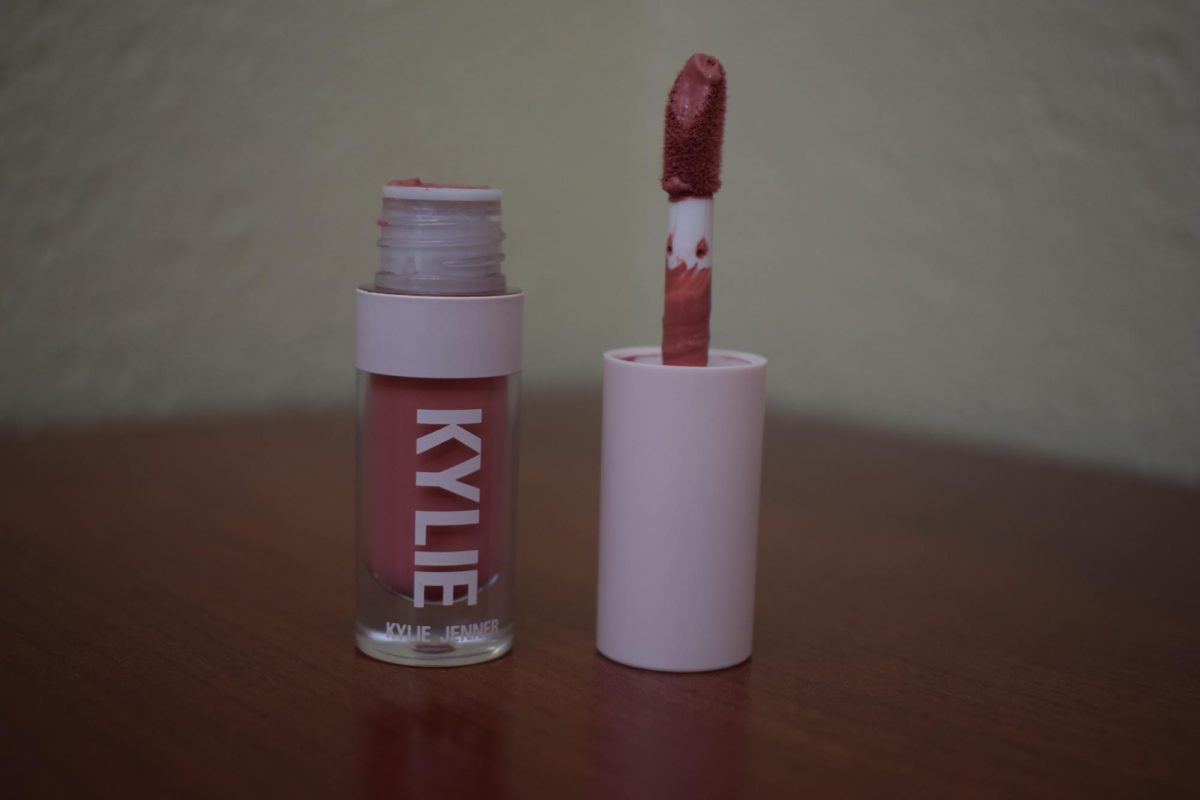
Mannequin challenges. Fidget spinners. Bomber jackets. Kylie Lip Kits. Harambe. Reliving 2016 has been a big topic across social media as people ring in the new year.
Over the past couple of years, Gen Z has become obsessed with making the new year identical to the decade prior. The trend has surfaced before but often fades quickly, with only faint mentions throughout the year. This year, however, the idea of 2026 being “the new 2016” has gained more traction than before.
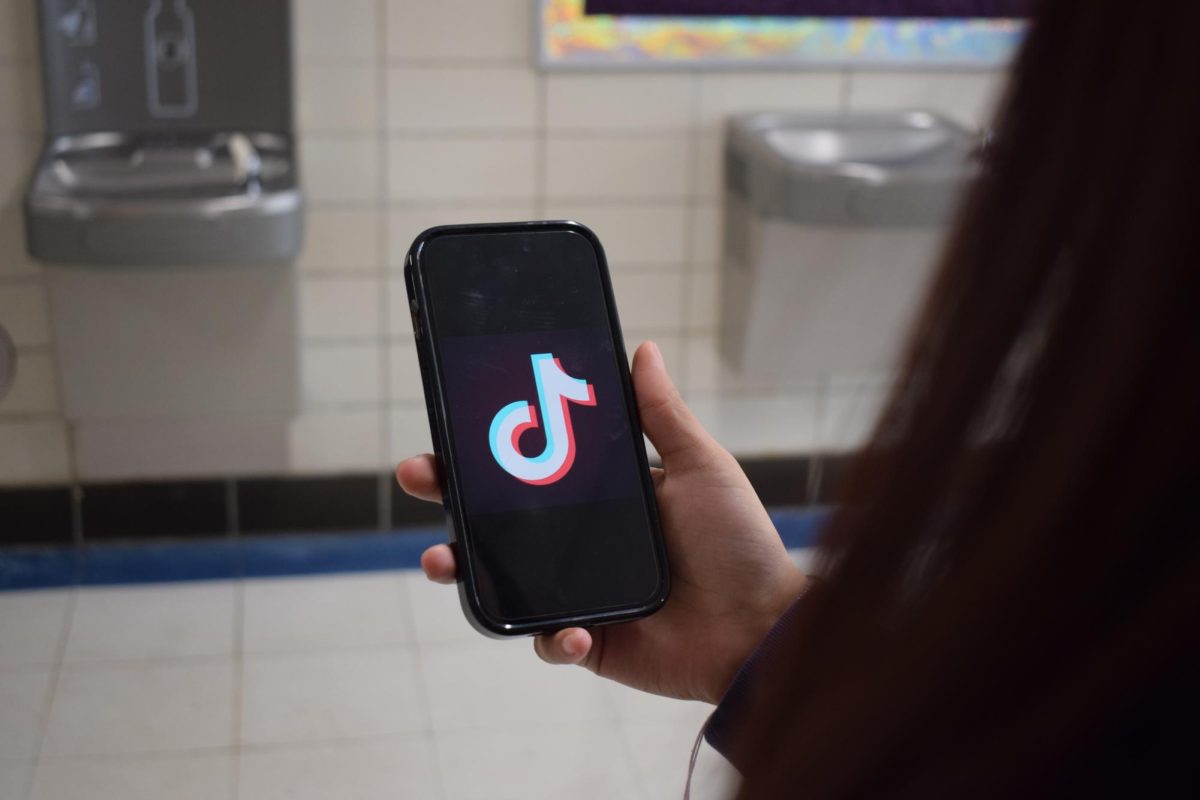
Ever since the year began, more and more people have been posting about 2026 being the new 2016. Accounts on TikTok have been posting slideshows showcasing the 2016 aesthetic, celebrities have been posting with the Rio de Janeiro filter on Instagram more often, and videos from the now-discontinued app Vine have been re-uploaded across multiple platforms. Makeup artist Mikayla Nogueira recently uploaded a TikTok video on “how to make 2016 glam feel fresh to fit in more with the new year.”
“The people have moved on, but I haven’t given up. I’m gonna try again,” Nogueira said in the video she posted.
While many people online have embraced the trend, others have criticized the push to relive 2016. Some argue that the year has passed and that attention should be focused on new trends rather than revisiting the past. Others criticize how the era is being recreated, saying that younger generations may not portray it accurately since they were not old enough to experience it firsthand.
“How it feels watching kids try to rewrite history and make 2016 look like it was early 2010s Tumblr because they missed out on the real thing,” TikTok user lemtenny said, uploading a video of a guy banging his head on a couch behind the text.
That perspective is echoed by students at West Chicago Community High School, who question the accuracy and staying power of the trend.
“I don’t really agree that 2026 is the new 2016, but I do like seeing the trend online. I think the significance behind 2016 coming back is the decade mark, since it has been exactly 10 years,” junior Kayla Cintora said.
Senior Bella Chandler echoed those sentiments.
“I think it’s only a trend because it was ten years ago, and ten is a pretty cool milestone number,” Chandler said. “I think it’s fun to look at how far you’ve come from ten years ago, but 2026 is still not the new 2016. I don’t really see people dressing the way they did back then or brands bringing those styles back. Honestly, it feels like something that was popular for the first few weeks of the new year and is already starting to get old.”
Yet, a few students at WEGO have begun embracing the trend: teens can be seen in the halls dressing in styles popular during 2016, while others are reworking their social media accounts to match the year’s aesthetic. Many students say they were too young to fully take part in the trends at the time and now want the chance to experience them. The influencers popular in 2016 were the ones many students looked up to while growing up, making the era feel familiar despite the time gap. Students also say that the year fills them with a sense of nostalgia that they would like to relive.
“2016 was my year. Everything was just so peachy, rainbows, ice cream, and unicorns, and I just want all of that to happen again,” freshman Eliyah Jeter said.


Lauren Stewart • Feb 13, 2026 at 8:12 am
Audrey, I appreciate how you included those who are embracing the trend and those disengaging. I am always curious about what people are really thinking about trends!