


Special thanks to Allison Komaniecki and Milly Mora-Zarco for their help with this article.
At West Chicago Community High School, the school day stretches far beyond its 10-period schedule. For most students, coursework is rarely completed in between bells – their mornings, evenings, and weekends are loaded with academic and athletic commitments. As high schoolers balance AP classes, sports practices and games, and late-night rehearsals or performances, many find their schedules so packed that clubs become a luxury they can rarely afford.
Within the complex landscape of the teenage mind lie stress, insecurity, a desire for individuality, and a spirit of adventure – all of which influence their daily lives and shape decisions as simple yet significant as whether to join a club.
Amidst these time commitments is the question of how much effort sponsors and members put into marketing and organizing their clubs. With the conflict and confusion of these factors, as well as the pressure to add activities to an academic resume, club enrollment is surely an intricate part of high school.
Busy schedules lead to limited time
Between general education, Advanced Placement, and elective classes, high schoolers have a full academic meal on their plates, and sports and homework are served for dessert.
Higher level classes often stress out-of-class studying and work, a commitment that scares some students from even adding them to their schedule, although recent enrollment data supports what many students and sponsors have noticed firsthand. According to district records, AP participation has risen steadily over the past several years—mirroring a national increase reported by the College Board.
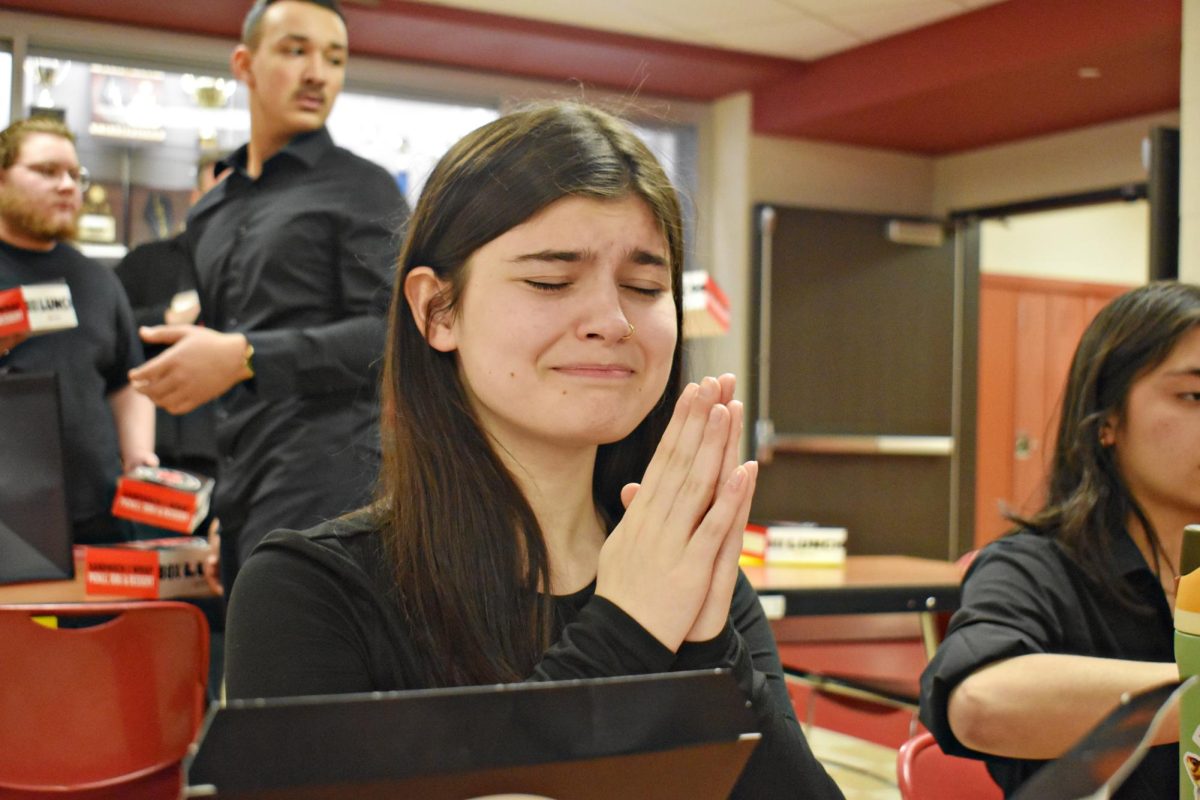
On top of APs, some electives, such as drama, require a lot more than a 50-minute daily lesson. As senior Ava Blonairz mentioned, rehearsals can last a number of hours, adding pressure and a much-needed break after classes.
“The pre-call sits in the dressing room – that’s my favorite,” Bloniarz said. “And I’m glad that we have that opportunity, so we can decompress after the school day before we go into a six-hour rehearsal.”
Long commitments like these make it difficult for students to join other clubs, as they find themselves committing all their time to actual classes. In WeGo Drama’s recent show, “The 39 Steps,” the production’s small cast of six required several actors to take on multiple parts – a challenge exacerbated as participation fluctuates.
“There’s just a lot to memorize for a single person doing multiple things,” junior Jackson Crudup said. “I’ve done shows where I have been ensemble and have switched between two or three roles. In this show, because there are so many roles, I have maybe five or six, which is the most I’ve played.”
Outside the auditorium, other students face similar time pressures when it comes to extracurriculars. Senior Sneha George said many clubs try to accommodate busy schedules by offering morning and afternoon meetings, but sports can still limit participation.
“Because any of the clubs I do, such as BPA or NHS, they have morning meetings,” George said. “I guess clubs that are after school, I just never really thought about doing because I was like, oh, winter, I can’t do it. I think there might be a few clubs that just completely conflict.”
As academic and athletic demands climb, extracurricular involvement has become more selective. Students are able to personalize their school schedules with a variety of courses and extracurriculars, but are limited to 24 hours a day to complete the tasks that come with them – eight of which should be spent sleeping, according to the Centers for Disease Control and Prevention. WEGO students say the challenge is not a lack of willingness, but the scarcity of time.
Students need to be engaged
If time is not the issue, it may be that WEGO students simply lack school spirit – or that they are not offered enough opportunities to get excited about.
Although students can choose from clubs such as art, cooking, or business, the school offers fewer specialized options that appeal to students with niche interests. Unique hobby-based groups — like The Chocolate Milk Chuggers at Forest Hills Central High School in Michigan or the lettuce-eating club at St. Louis Park High School in Minnesota — do not exist at West Chicago Community High School.
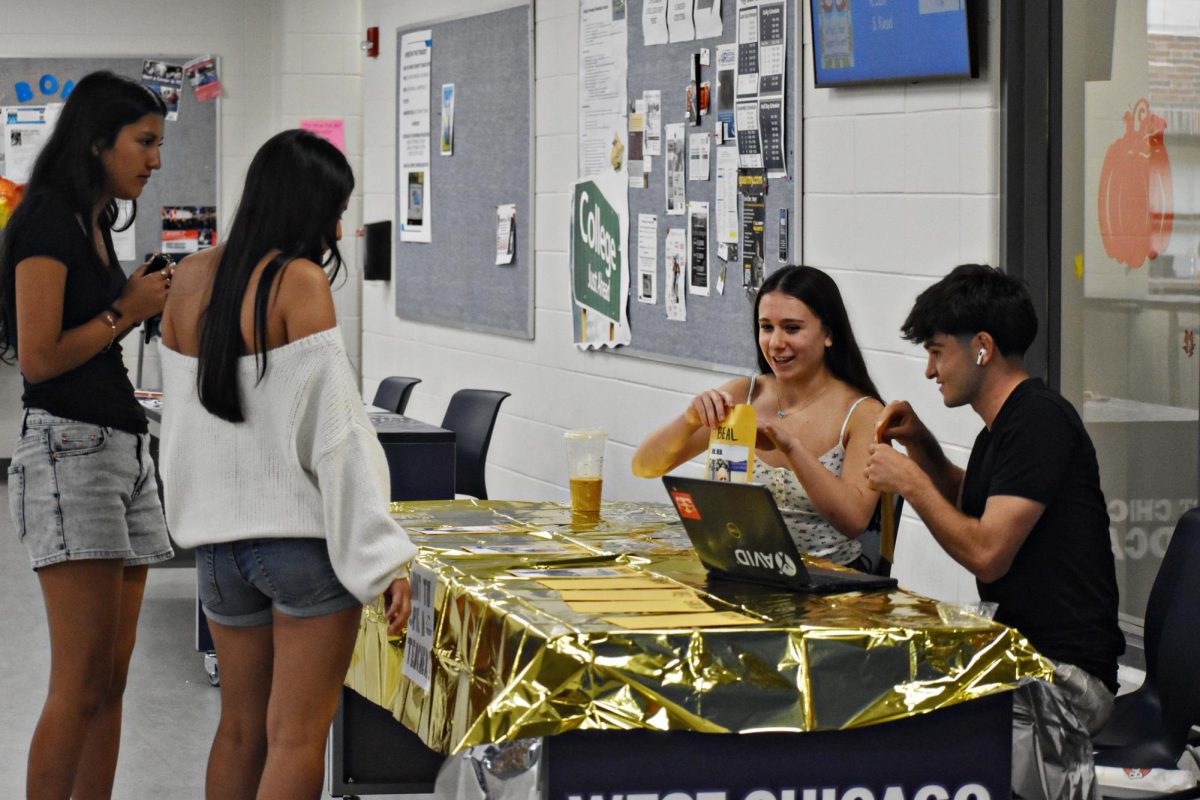
Non-interest and less variety can contribute to the willingness of students to get involved. Activities Director and AV Club sponsor Dave Jennings said that while some clubs remain strong, others struggle to retain members as students’ schedules fill up and exhaustion kicks in.
“It’s easier for any of us to go home and binge-watch something on our phone or stream something in bed than it is to come to something after school and get involved and have real relationships with other people,” Jennings said.
Jennings said that declines in club participation are not unique to WEGO, noting that many schools have seen similar dips in student involvement following COVID-19. He added that part of his role as activities director is figuring out how to make it easier for students to get involved and reduce barriers to joining clubs for the first time.
Additionally, some clubs that are started do not get enough attention or attraction from students, ultimately leading them to fail, even if the proposal is valuable to the community. Former student Mariah Varnado worked to start Black Student Leaders of America at WEGO, but after she graduated, no further progress was made.
“I was trying to get it up sophomore year, but it never worked out,” Varnado said. “My senior year, we finally got a great sponsor, Mrs. Miles, to help out, and although we started towards the end of the year, I was still happy to see it up and running. To hear that it is not running [now] makes me sad because this club could have done so well and could have helped people [with] college resumes.”

If students are not intrigued by their content, clubs face increased risks of not being significantly favored, possibly correlating with increased negativity towards high school and a decline in school spirit.
Marketing and organization are key
To eliminate the problem of avoidance or lack of interest, clubs and sponsors need to focus on one key factor: engaging their audience.
Jennings said he encourages clubs to involve student leaders in shaping activities and communication, explaining that students often respond more authentically to peers than to adult-led promotion.
With an increased usage of social media, digital design and marketing, and technological intelligence, there are many options for clubs to reach out and grab students’ attention.
Because high school students are often overwhelmed by homework, practices, chores, and social commitments, they are unlikely to spend time researching clubs on their own. That makes intentional marketing essential; if clubs are not actively putting themselves in front of students, they will never capture their attention in the first place. Teenagers are often attracted to quick eye-catching advertisements while scrolling on their phones, and according to Biba Betteridge et al. at OxJournal, “when people are used to being fed information quickly and then swiping to the next set of information, it can make it incredibly difficult to maintain attention for long periods of time when information is not quickly changing or being presented attractively.”
This means that clubs that are not reaching out may not see as many students attending their meetings as those with members who are passionate about recruitment and dedicated to an effective marketing strategy. It is also possible that students never even hear about club opportunities in the first place.
“I don’t know about any clubs because I feel that there is a lack of communication,” junior Olivia Zurko said. “I feel like the school talks more about sports than clubs.”
Unclear communication about when students can join clubs often leads to hesitation. Junior Niya Patel said that many upperclassmen avoid new activities simply because the expectations are unclear.
“I feel especially like upperclassmen think, ‘I haven’t done it freshman and sophomore year, so I can’t do it anymore because I have all this stuff going on, it’s too late to join’,” Patel said. “I think that kind of scares people, especially if you’re in higher-level classes.”
(Participation data from the 2024–25 school year illustrates how student involvement is distributed across activities at WEGO.)
On the other hand, a club could interest many students, but just not have the best organization to make them want to stay. Studies have shown that an organized environment is often more appealing and stress-reducing, two factors that are especially important to high schoolers. If a group constantly has scattered meeting times, changes of plans, and unsuccessful attempts at a serious environment, then the purpose of the club will not actually stick with anyone.
To combat this, some clubs, such as National Honor Society, give their members the option of morning or afternoon meetings.
“A big part of NHS is having members who are active within multiple communities,” National Honor Society President senior Lesley Garcia said. “Morning meetings work for the members busy in the afternoon, and [vice versa]. What is essential for this to be executed properly is a well-organized agenda that ensures both meetings get the same information. The involvement within NHS is great each month, which makes all the extra planning worth it.”
As WEGO students navigate packed schedules and limited time, clubs that communicate clearly, market creatively, and stay well organized stand the best chance of drawing – and keeping – members.


