


Countless hours on the field and in the weight room. Staying up late after a long practice to get assignments turned in. Life as a high school athlete is challenging — but worth it.
Getting recruited as a high school athlete is a complicated and often misunderstood process that few people outside of sports know about. Only 7% to 8% of high school athletes continue to the next level, according to the NCAA. It takes hours of dedication to further one’s athletic career.
However, these steps — from an athlete who was recruited to Benedictine University, along with many other schools — just might help.

Step 1
When entering high school, student-athletes should make sure they are taking the correct steps to ensure they will graduate and be successful by senior year. Earning good grades — beginning freshman year — is essential. A solid academic track record, including a strong GPA, makes colleges take notice: they want students not only for their athletic abilities, but also for academics.
Step 2
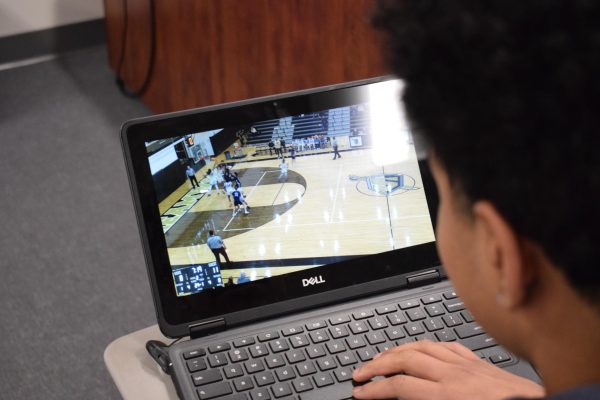
Being smart in the classroom will always be beneficial. What people do not talk about, however, is the time needed to develop a high IQ for one’s respective sport. Watching video footage from practices and games is essential for reflection and improvement. Watching professionals who play the same position is also helpful. Learning from the best will benefit the student-athlete in the long run.
Step 3
At a young age, athletes should establish good habits and get a head start on the competition. This starts in the weight room and during free time. Athletes should complete lifts that target performance specific to their sport. Many see people working out online and want to copy them, but those individuals may not share the same goals. Performance-based training gives athletes the ability to showcase their talent because they develop the strength and speed necessary to compete at a high level.
Step 4
Attending camps is a major part of recruitment. Camps are “practices” hosted by colleges, often inviting other programs to evaluate athletes. College coaches sometimes tell athletes which camps they will attend and request that they participate so they can evaluate their talent. There is no age requirement for camps as long as the athlete is enrolled in high school.
These camps do cost money, so it is important to attend with a plan. Many colleges send automated camp invites broadly as a fundraising effort. Athletes should prioritize camps where they are personally invited or schools in which they have genuine interest. It is important to show not only talent, but also a positive attitude and the ability to lead and handle competition.

Step 5
Be marketable. When training, lifting and earning classroom achievements, athletes should post updates on X and tag their high school, as well as recruiting and exposure accounts that help athletes get noticed. This is the time to highlight accomplishments and share information a coach would want to see. Coaches monitor social media for updates on performance, academics and offseason development, including new max lifts, honor roll recognition and speed improvements.
Step 6
Perform. This is the step that makes or breaks an athlete’s recruitment process. All the previous steps matter little if the athlete cannot perform in games. When playing varsity sports, this is the time to display one’s abilities for college coaches to evaluate.
Sometimes athletes feel there is no point in giving full effort against a very strong team or a weaker one, but that is not the case. College coaches want recruits to compete at their highest level at all times — especially against strong competition. Facing weaker teams can also provide opportunities to try new techniques and build statistics that help gain recognition.
Step 7
Be marketable with season film as well. After the season ends, it is important to compile highlight reels as soon as possible. College coaches often begin recruiting before the season starts and make final decisions shortly after it ends. Athletes should message college coaches with their height, weight, GPA, awards and film so coaches can evaluate their size, production and overall potential.
Step 8
Take visits and make the final decision. After collecting offers from multiple schools, the athlete should visit each campus and weigh the options. Consider location, cost and overall fit — not only within the sport, but within the campus community. After comparing offers and experiences, it is up to the athlete and their family to choose what is best for the future, both athletically and academically.
The recruiting world can be stressful for a student-athlete, but it is important to remember that colleges want talented and dedicated athletes to join their programs. High school athletes have time to make a decision, and nothing should be rushed. Student-athletes are in the position to choose their college and potentially receive scholarships because of who they are — and they belong there, even if they sometimes doubt it.