

What addiction really does to the teenage brain



About this series:
This article is part of a three-part series by Editor-in-Training Ruby Guerrero, exploring the realities of addiction—from how it affects the brain, to the ways it can reshape families, to one student’s personal reflections on loving someone who struggles.
Read the rest of the series:
• What addition really does to the teenage brain
• The effects of addiction on families
• OPINION: Addiction’s hidden toll
It does not always start with hard drugs. Sometimes it starts with something as small as a pill, a drink, a hit – until one day, the person you knew disappears behind it. That is what addiction does.
The word “addiction” is often thrown around casually, used to describe habits that are far from life-threatening, which minimizes its seriousness. Admittedly, this reporter has misused the word because of how commonly it appears in everyday speech. Phrases like “I’m so addicted to my phone” or “I’m such a workaholic” are said all the time—but addiction is a complex medical disorder that deserves more understanding and respect.
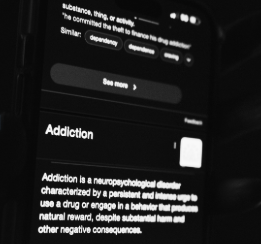
Addiction is defined by the American Psychiatric Association as a brain disorder characterized by compulsive engagement in rewarding stimuli despite adverse consequences. Addiction can involve behaviors – such as gambling or excessive phone use – but is most commonly associated with a particular substance. Substances like alcohol, cannabis, opioids, caffeine, or cocaine complicate addiction because they alter brain chemistry.
In fact, addiction to substances is considered a psychoactive brain disorder due to the inability to stop using a substance – even when it causes psychological and physical harm. This often leads to relapse, even after periods of sobriety.

As with many physical changes to the body, people develop tolerance. Just as someone can build a spice or pain tolerance, repeated exposure to substances creates a tolerance to the dopamine highs they cause.
The basal ganglia, a part of the brain tied to motivation and reward, becomes overstimulated with repeated substance use. The more a person uses, the higher their tolerance becomes – making everyday pleasures feel dull by comparison.
The extended amygdala is responsible for negative emotional responses—especially during withdrawal or after a high fades.
“It’s like the puppet master behind the scenes, pulling strings you didn’t even know existed,” the experts at NeuroLaunch said.
These shifts in brain chemistry can lead to emotional instability, including drowsiness, irritability, and anxiety. According to Oxford Academic, the prefrontal cortex, which controls problem-solving and rational thinking, is the last brain region to mature.
That is what makes teenagers especially vulnerable. As Innerbody explains,their brains are not fully equipped to weigh risks or long-term consequences.
“It helps [to educate] because we know teenagers like to make their own decisions, as we all do, right?” West Chicago Community High School psychologist Karen Szot said. “So it helps to kind of educate like, ‘Hey, what are the pros and cons of doing drugs?’”
Your donation will support the student journalists of West Chicago Community High School. Your contribution will help us cover our annual website hosting costs. We appreciate your support!