


Para leer este artículo en español, haga clic aquí.
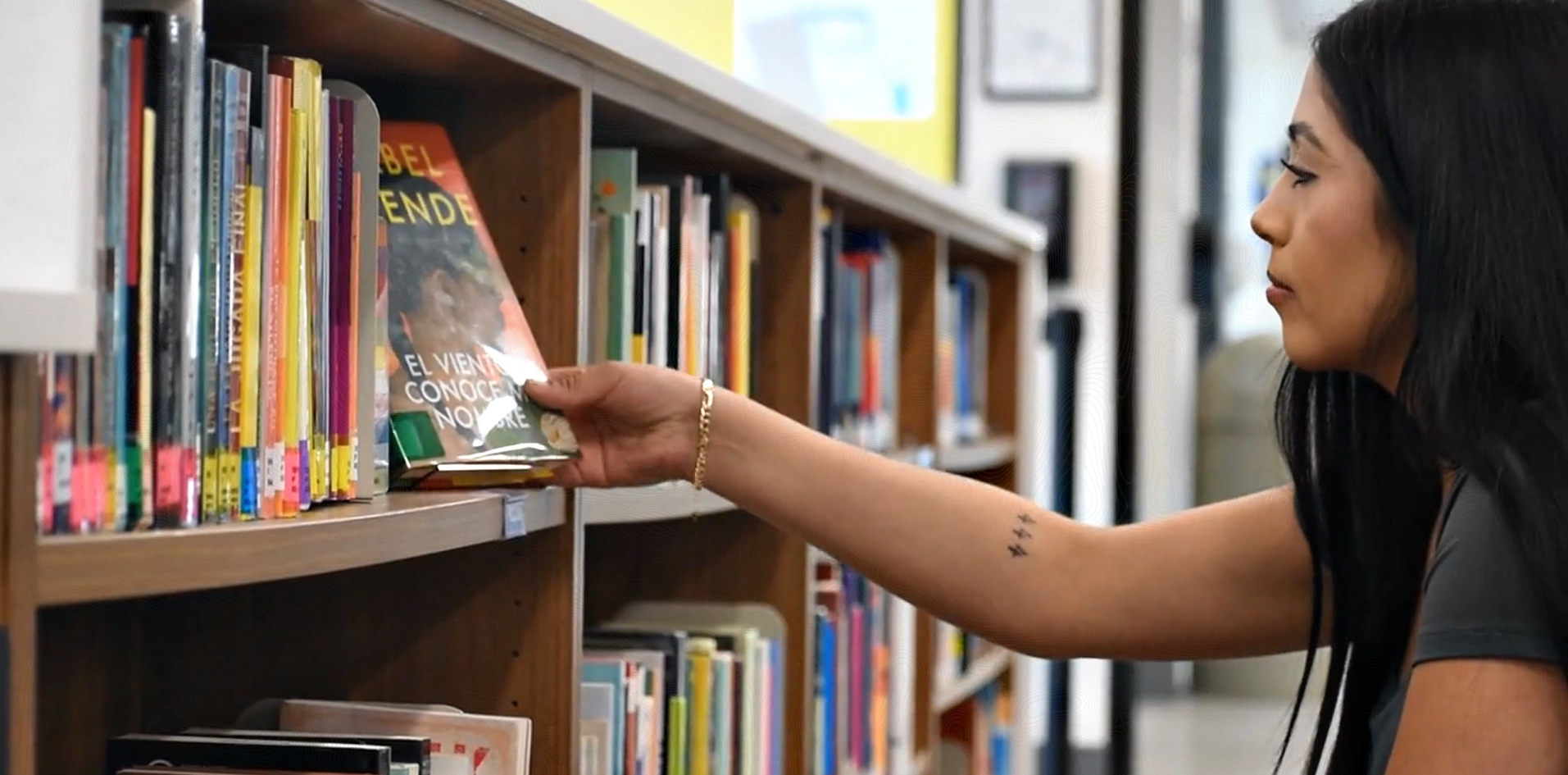
As West Chicago Community High School searches for new ways to encourage literacy outside the classroom, staff members are turning to a digital platform designed around competition, social interaction, and rewards.
Beginning this summer, WEGO students will have access to Beanstack, a reading platform that allows users to track reading minutes, complete challenges, maintain streaks, and connect with friends while earning rewards along the way.
Students can access the platform through Chromebooks or mobile devices using their school login information. According to school staff, the platform combines traditional reading logs with features similar to social media and fitness-tracking apps in an effort to make reading feel more interactive and engaging for students.
“One of the main things that we’ve heard from students is that they like the peer influence on their reading,” Library Media Specialist Amy Grabowski said. “We really like that friending capability, so they can see what their friends are reading.”
Students who participate in the program can earn rewards for logging reading minutes and completing challenges. Reading for 100 minutes, for example, earns students a coupon for Portillo’s chocolate cake, while maintaining reading streaks and adding friends can unlock additional prizes and drawing entries.
Grabowski said staff members originally hoped to launch Beanstack earlier as a pilot summer reading initiative, but delays involving student rostering and scheduling pushed the rollout back later than expected.
Despite the delayed launch, staff members said the goal extends beyond simply rewarding students for reading. English teacher Jen Ward described the app as a way for students to become more aware of their own habits outside of school.
“When students are calculating their minutes, there’s probably a moment where they’re like, ‘Wow, I’m just not reading very much,’” Ward said.
Ward also noted that the platform could affirm students who already read consistently outside of class while encouraging others to become more intentional about literacy.
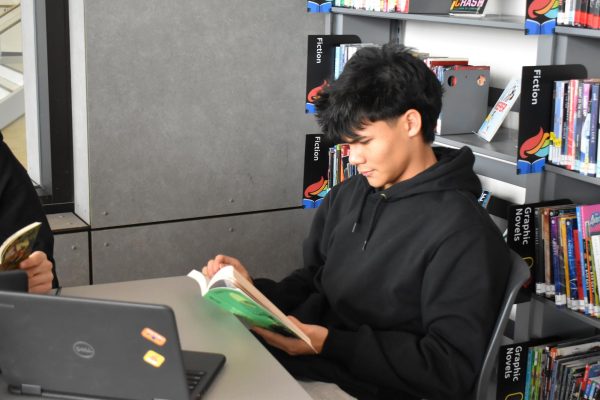
Students who participated in discussions about summer reading initiatives said motivation was one of the biggest concerns surrounding independent reading during summer break.
“Students didn’t have motivation to read,” junior Emily Munoz said. “Summer reading is most of the time out of obligation because it’s homework for the next school year. Students will now be rewarded for completing their homework.”
Munoz added that the app’s accessibility and rewards may encourage more students to participate.
“It is very easy to use,” Munoz said. “Students can scan in what they are reading or manually put it in. The app also has a built-in timer to time their reading.”
Other students, however, questioned whether all users would honestly log their reading time.
“The app thing is kind of smart, but it wouldn’t really work, because people would just fake it,” senior Daniel Giya said.
He said that students are more engaged when they read short news pieces online, and suggested that the school should try incorporating more time for that during class. Videos based on books, he said, would also be helpful in encouraging reading.
Staff members said Beanstack is ultimately intended to make reading more visible, social, and accessible across the school community.
“Hopefully [it will] foster that culture of reading that we’re trying to establish here,” Grabowski said.