


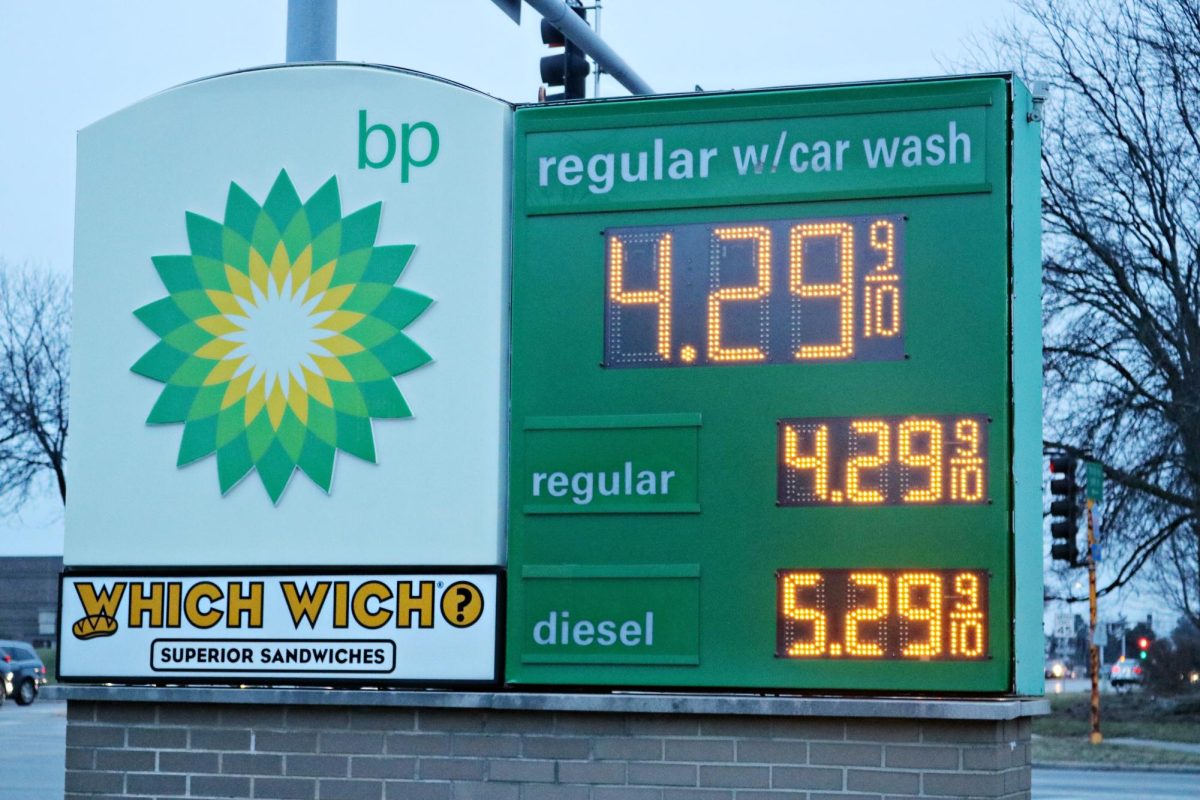
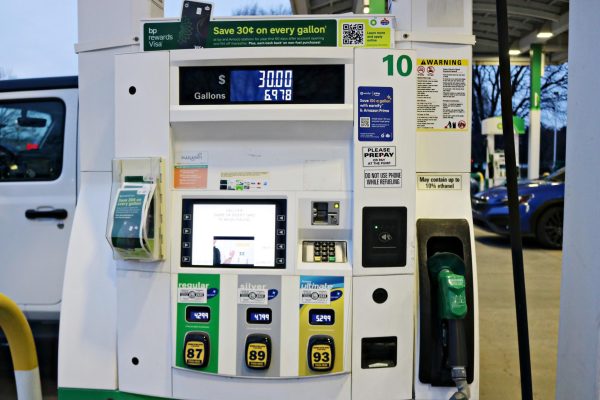
Over the past month, the average price of unleaded gasoline has increased between 20% and 27% across the country, reaching an average of $3.85.
The price increase was caused by rising tensions in the Middle East after the U.S. and Israel launched strikes on nuclear facilities, military sites and Tehran on Feb. 28. Since the attack, many oil shipments have been disrupted or delayed in the Strait of Hormuz, a critical shipping route near Iran. These disruptions have contributed to higher oil prices as countries face uncertainty about future supplies.
“[The problem] is the Strait of Hormuz, because they would have to go around Africa, and that would still raise the price,” business teacher Brigitte Debs said.
Many West Chicago Community High School students claim to have felt the effects of the price increase even before prices reached their highest levels. Many have begun saving money for future expenses. Others have cut back on impulsive purchases and shopping in general.
“I cancelled plans because I literally couldn’t afford going out, along with all the more important things I have to pay for,” junior Brianna Nguyen said.
The gas price increase hasn’t just affected people’s bank accounts; it has also affected their personal lives. Student drivers believe the price increase is holding them back from some of their normal activities. They say they cannot drive and spend time with friends as often because the cost of gas makes many trips more expensive.
“I can’t even go out and be a normal teenager because the gas is too expensive for me, especially because I don’t have a job,” sophomore Alitze Arredondo said.
As global events continue to affect oil markets, many students say they are watching gas prices closely and adjusting their spending habits accordingly.


