


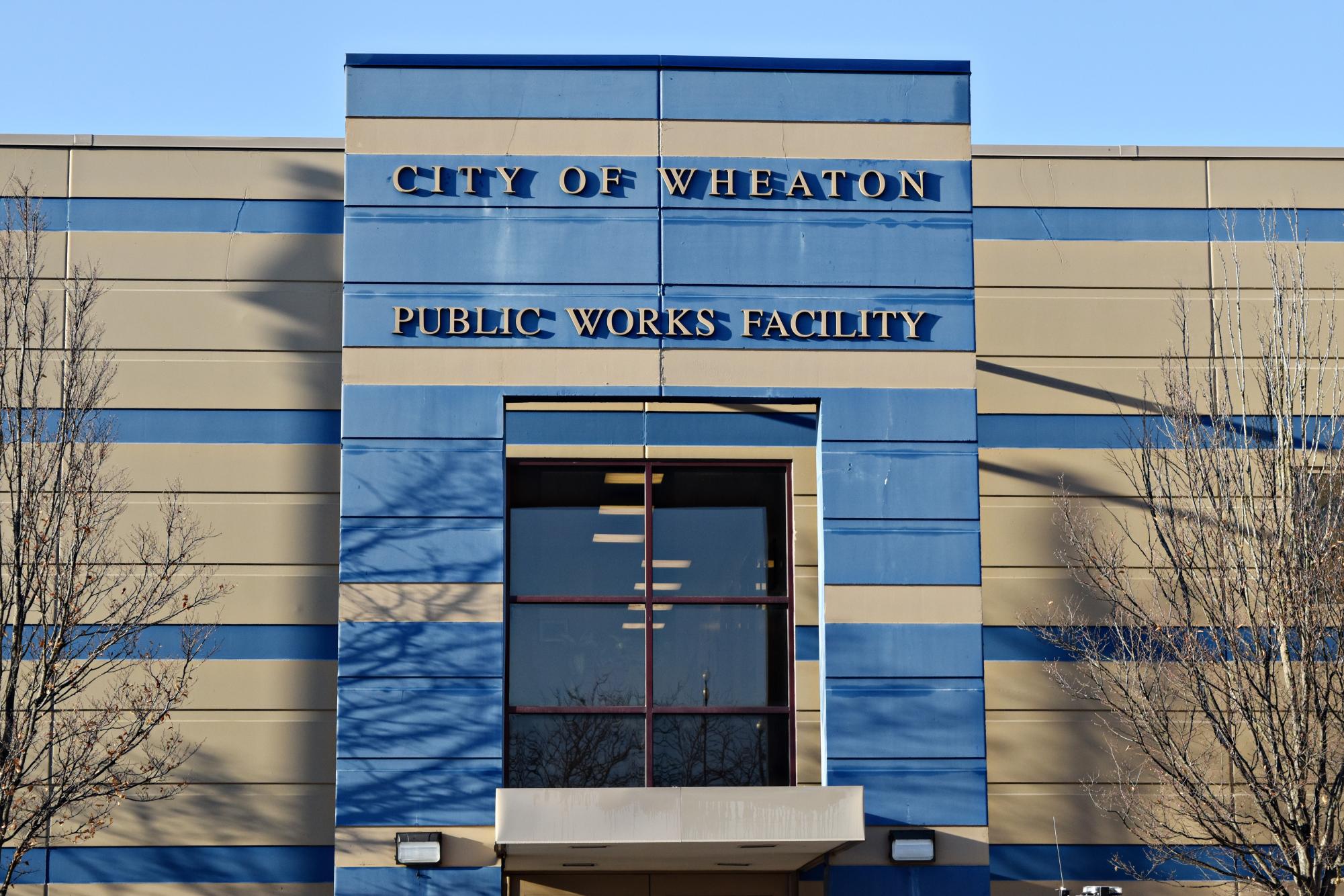
Entering the City of Wheaton’s Public Works building, the first noticeable space, to the right, is the employee cafeteria. But for most, what is important is the vending machines, where one can go and insert whatever pocket change they have and enjoy the sound of coin clinking into the machine sit in anticipation, waiting to just watch that bag of chips crinkle down. At the very far end before going into the building’s garage to the left, is where the laundry machines are positioned. The aroma of fabric softener hits the nose, almost tempting Public Works employees to throw some clothes in to wash.
But beyond these everyday spaces, the Public Works department is responsible for maintaining Wheaton’s infrastructure – including sewer systems, storm drains, road repairs, and emergency response during any flooding or even power outages. On a typical day, workers may inspect underground pipelines, repair damaged pavement, respond to sewer backups, or prepare equipment for upcoming projects.
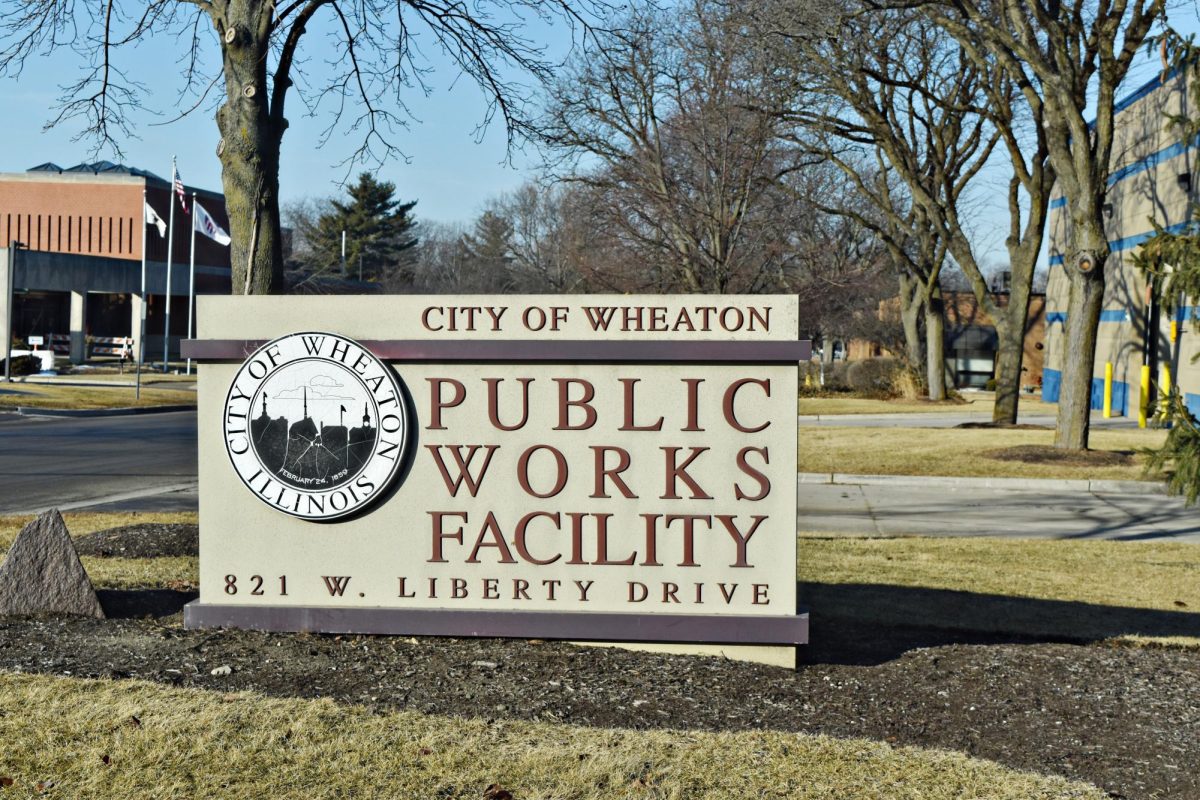
Before coming into the Public Works building, local residents are welcomed with this sign to let them know they are in the right place.
“The first ever building for the Public works department was built in the 1970s, the current one I’m working in was built in the 2000’s,” Public Works/Sewer employee Eric Carrasco Rios said.
Despite its age, it continues to serve as a central hub for the department’s operations.
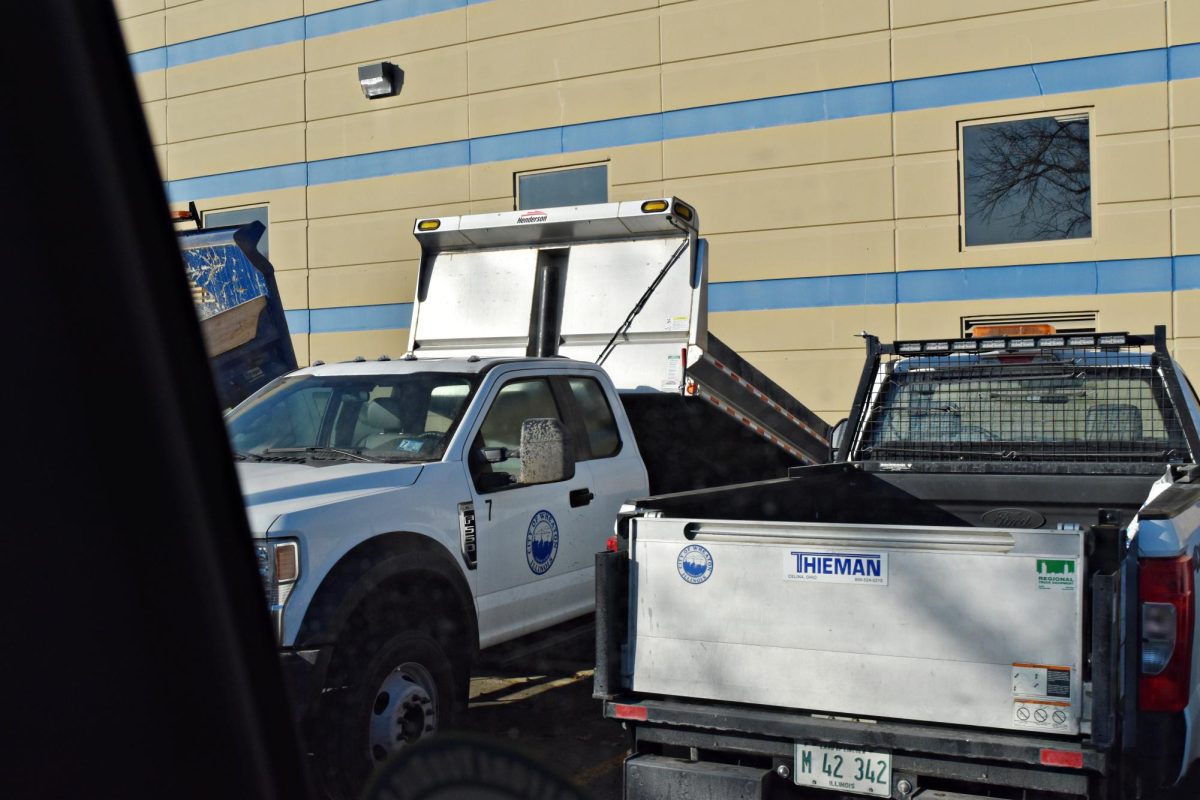
After passing through the gate to enter the building, one will notice some of the trucks that are used daily – with different types of equipment attached to the back of the truck. There are between five and seven trucks lined up in the entry area on any given day, all with different materials needed to complete jobs around town.
“These are some of our trucks that we normally don’t use, but for certain jobs, depending on the task we have to,” Rios said.
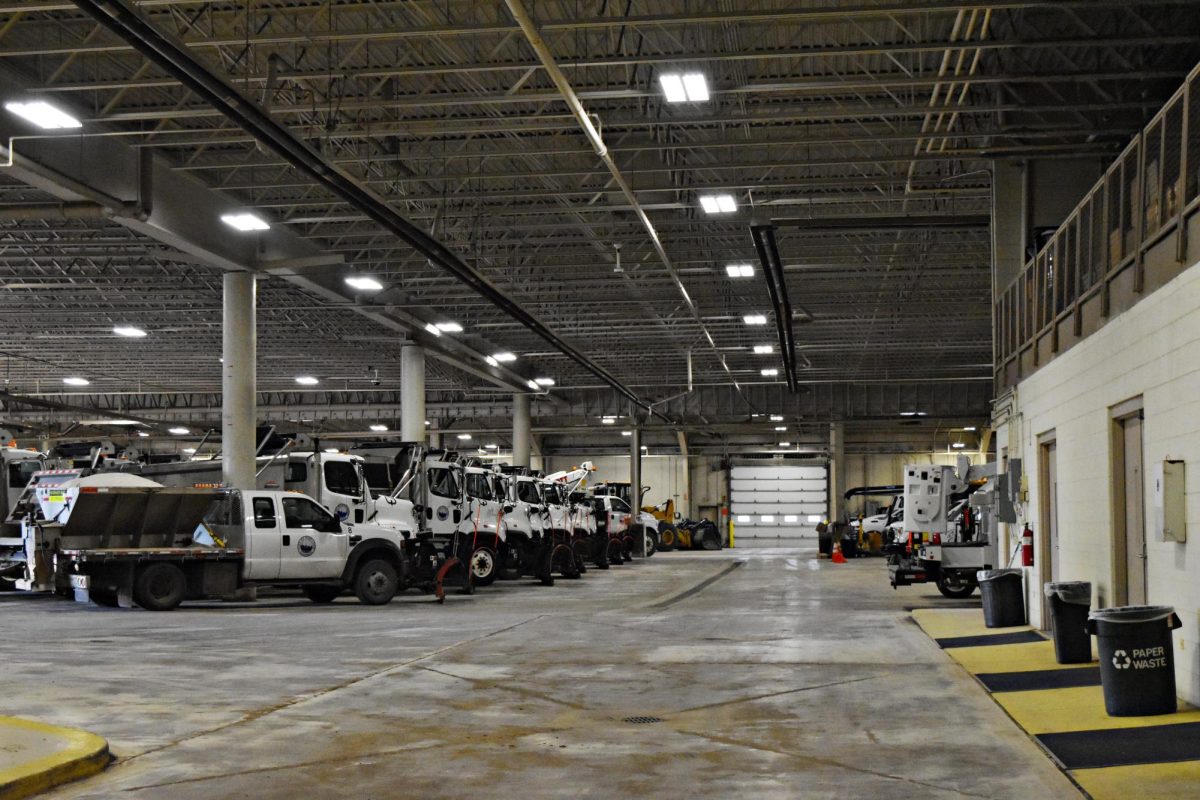
The building’s garage is where the main trucks that are used are stored. Most of these are assigned to certain people who have experienced with these large vehicles.

This is the Sewer Department’s area, or what the workers would say is “their office”. About nine people sit here, and this is where they all meet in the mornings to discuss who is ready for the day and what work lies ahead.
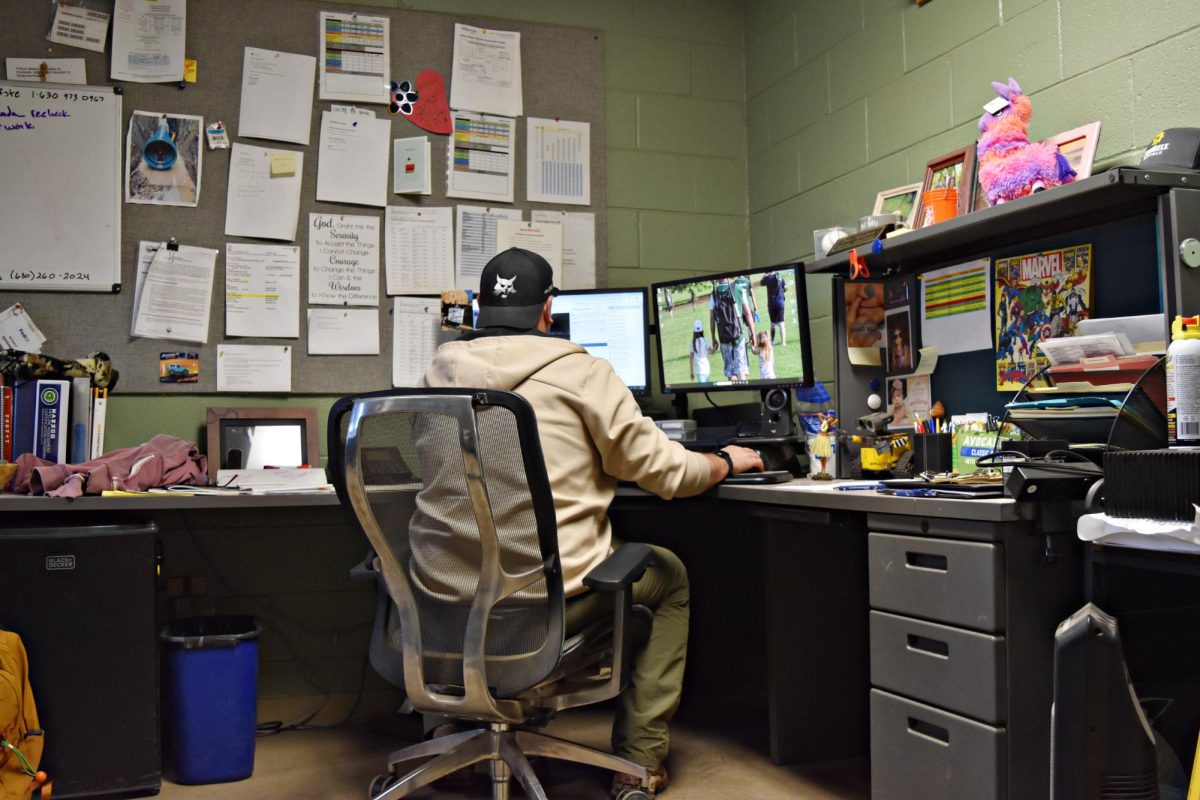
Sewer Supervisor Brian Pappenbrock began to type away as he talked about his role in the building.
“I’ve been working here for 27 years, exactly 25 full-time and 2 part-time. What I do is basically set up the guys’ job assignments for the day, manage the workers making sure they do what’s supposed to, oversee projects and repairs, and communicate with many people on the daily,” Pappenbrock said.

Director of Public Works, Vincent Laoang, also described his duties.
“I’ve been working here since 1999, which is 27 years exact,” Laoang said. “What I do is oversee the Public Works departments, set goals and plans for the future for city improvements, be able to be ready for any sudden situation given, having budget and financial management, and managing staff and the departments.”
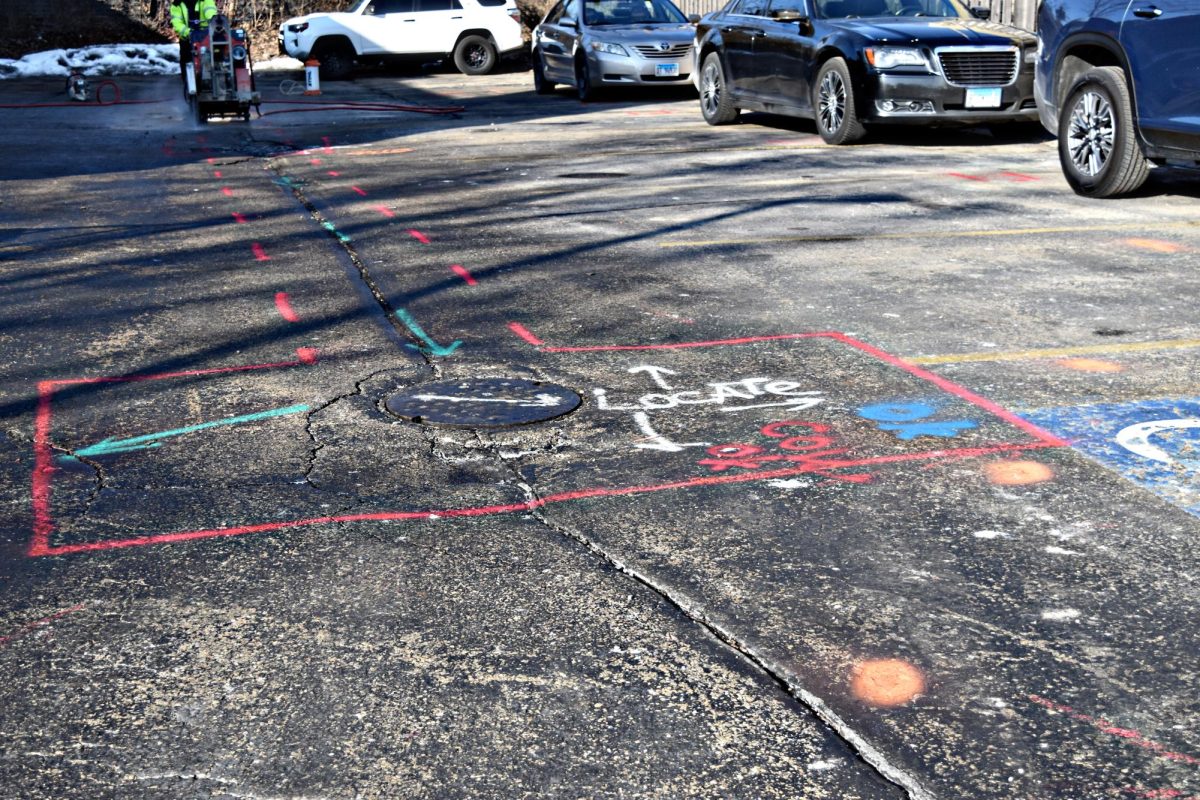
These markings on the ground allow the working crew to guide themselves to where they are supposed to cut the cement and where they should not. Every different color helps them distinguish what they are supposed to do or, in general, guides them to where everything is located, such as blue being the water main or water service, orange being ComEd or AT&T wires. White is usually the area the worker wants to locate, and finally, green indicates where the storm and sanitary lines are.
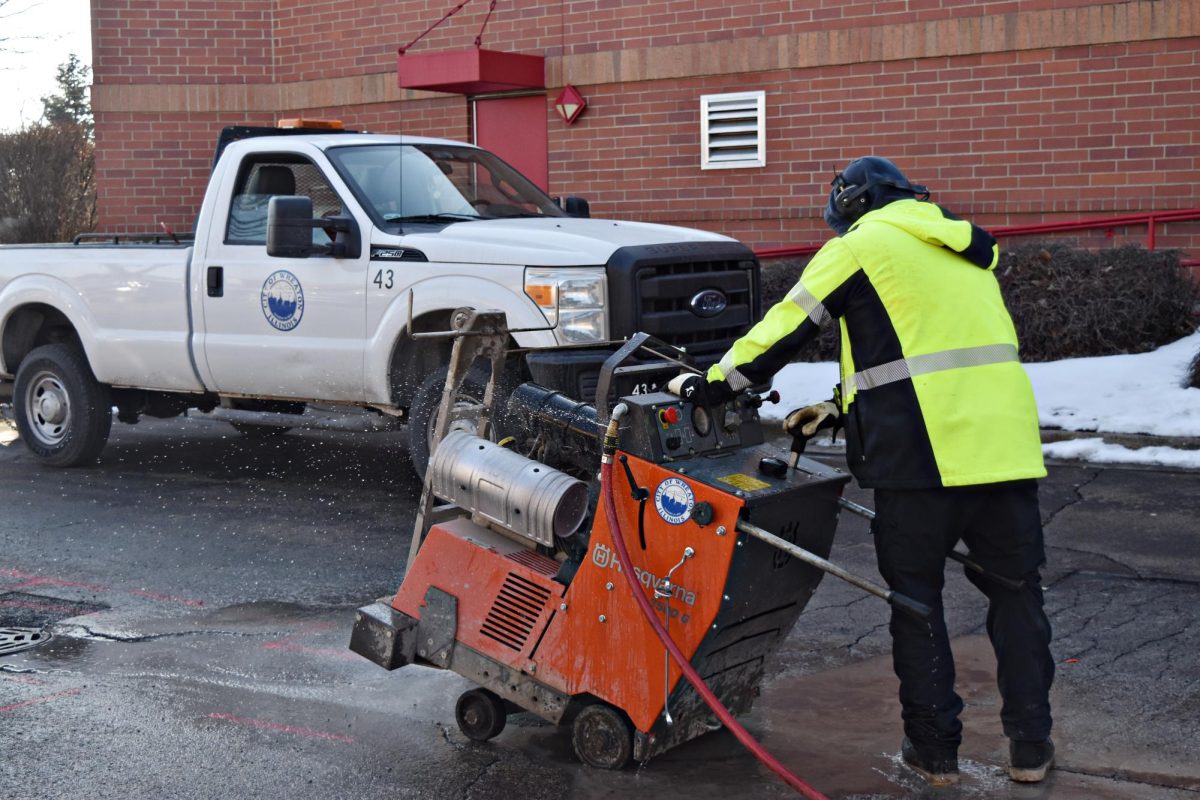
In fact, the machinery being used is just a big saw to cut the ground. Operators must handle it carefully and never leave it unattended due to safety risks.
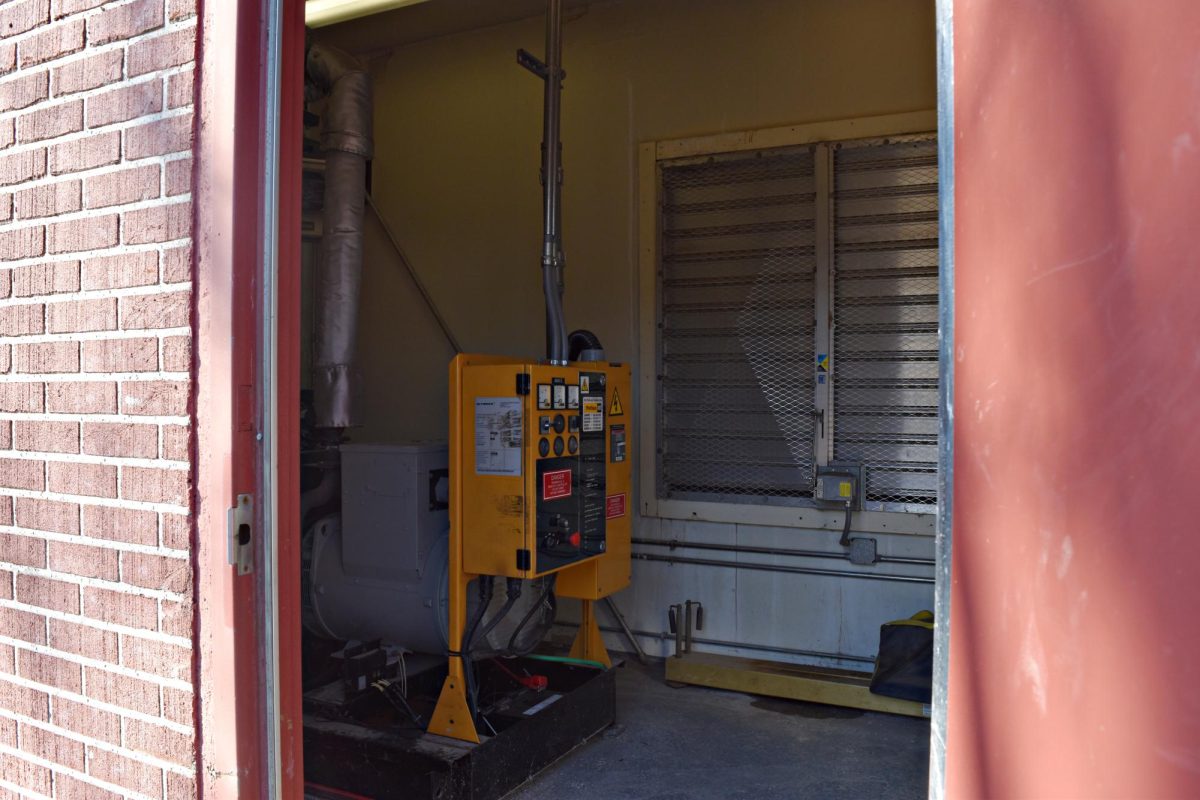
Many drive past this small building not knowing what it contains: it is a generator. If the power ever were to go out, it generates enough power to help the lift station through the emergency.
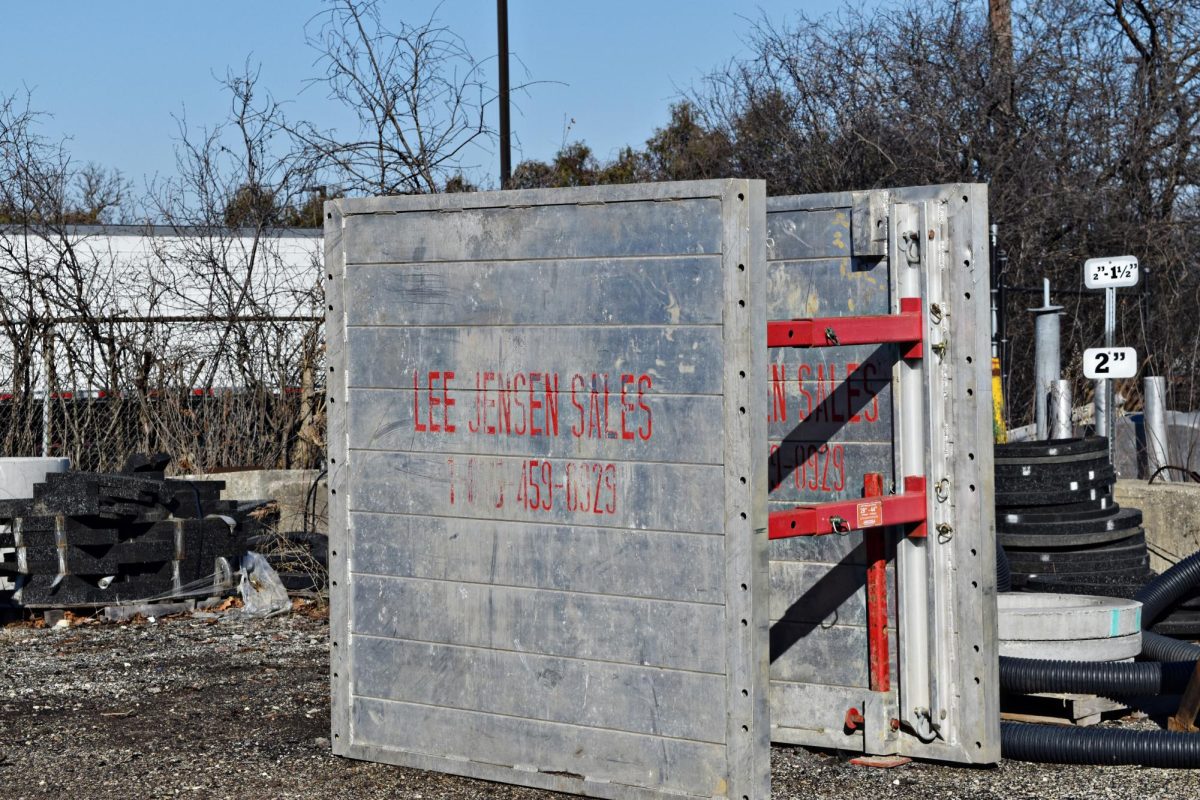
This is the trench box, which is a key piece of equipment. A trench box is used when Public Works employees are shoring, or preventing soil from having structural collapses. A trench box is used when excavating underground. It protects the workers from the walls caving in on them. Its purpose is for underground construction, but mainly to ensure the safety of workers.

The “RC Car” is often used by the sewer workers and holds several things inside. It goes into the sewer pipelines to check them out with the camera it has built in to see if anything is happening underground: for instance, any blockages, damages, or anything that is not supposed to be there that needs to be removed.
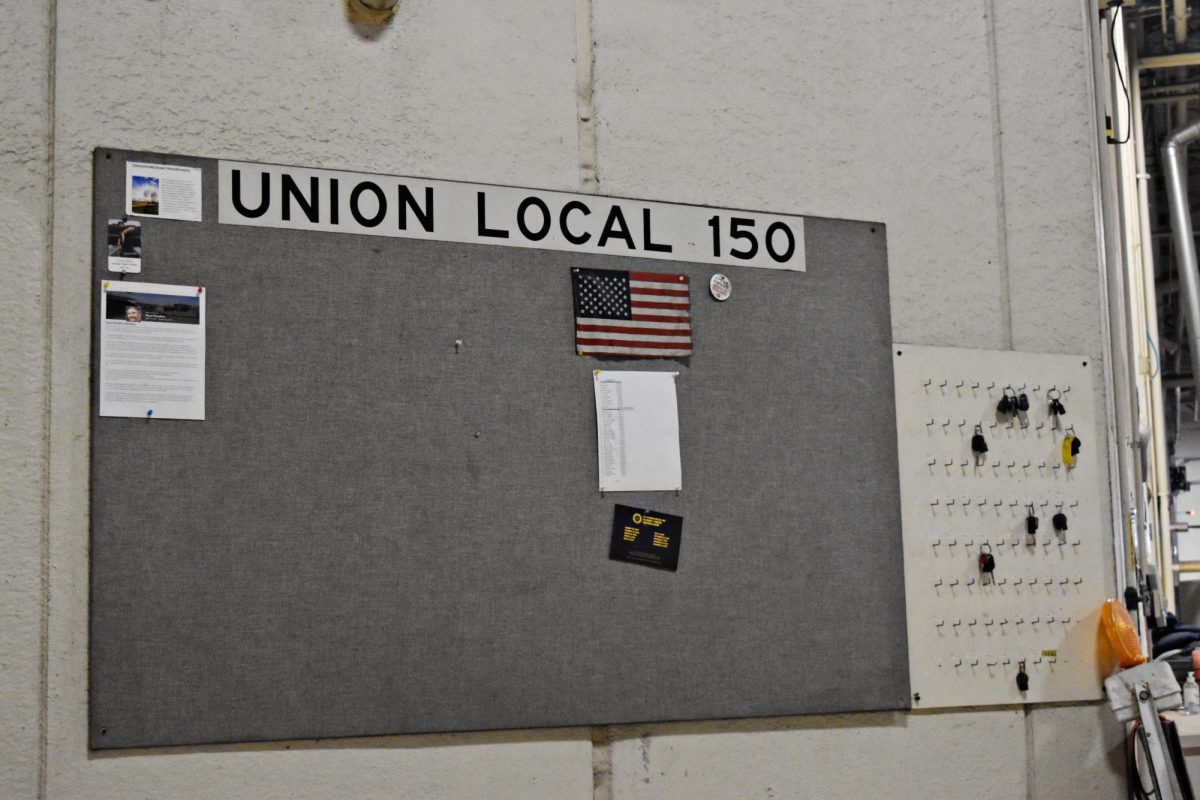
After completing a shift at the Public Works, workers return to the big garage to hang up vehicle keys and check the bulletin board to see if there is anything major happening before heading home.
Mrs. Stewart • Mar 3, 2026 at 1:17 pm
What a great glimpse into the government’s Public Works building. I would never have thought about it too deeply, but I found this information–and the photography–eye opening. There is a lot we see happening and don’t give any thought to it, now I will. Thank you! Also, I loved the opening paragraph.