


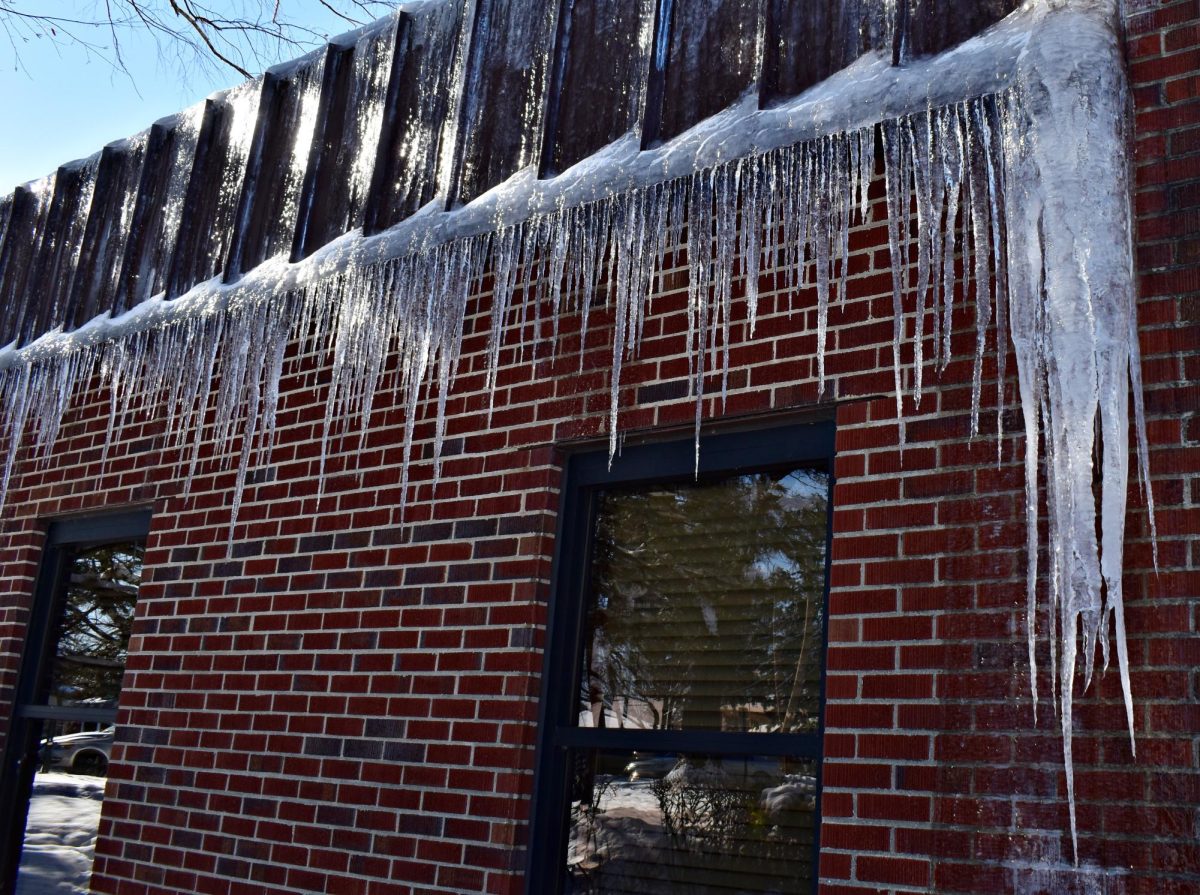
An early disruption of the polar vortex this winter has contributed to dangerous cold, strong winds, and hazardous conditions across the Chicago area, prompting safety concerns and the opening of warming centers, according to CBS News Chicago.
Recent reporting from the Daily Herald also shows that the disruption has contributed to colder and snowier-than-usual conditions across much of Illinois this season.
A polar vortex is a large area of low-pressure, frigid air that surrounds the Earth’s poles. During winter, portions of the system can shift south, allowing Arctic air to move into the United States and bring extreme cold. Meteorologists report that this winter’s early disruption has allowed colder-than-usual air to settle across parts of the Midwest, including Illinois.
Chicago has experienced similar cold outbreaks linked to the polar vortex in the past, including during the winters of 1977, 1989, and 2014, which rank among the coldest periods on record. CBS News Chicago reports that Arctic outbreaks associated with the polar vortex are not limited to the U.S., with parts of Europe and Asia also experiencing extreme cold.
The freezing temperatures have affected daily routines for students at West Chicago Community High School.
“With the cold, my motivation goes down a lot with school work and sports, and it is hard to get out of bed with it being so cold,” junior Molly Fehrenbach said.
In response to the extreme weather, city officials opened more than 300 warming centers throughout Chicago to provide safe, indoor spaces for residents. Officials encouraged residents to call 311 to request well-being checks for seniors or to report heating issues in residential buildings.
As of Monday morning, strong winds and light snow swept through the Chicago area, creating slick road conditions and complicating travel during the busy holiday period. CBS News Chicago reported wind gusts reaching up to 48 miles per hour overnight, along with snowfall that, while generally limited to an inch or less, caused hazardous conditions for commuters.
Air temperatures across the region dropped into the single digits, with wind chills reaching as low as 30 degrees below zero, according to NBC News. Meteorologists warned that prolonged exposure to the cold and wind can be dangerous, particularly for those outdoors with exposed skin.


