


The final 400 meters. The kick. The long strides. The crowds on the sides cheer you on as you pass one, two, three people, making your way to first. You see it: those red flags waving in the wind and a poster that says “Finish.” When all of a sudden, your legs. You collapse. You cannot focus. A horrible cramp hits your calf, and you lose the lead. Now what?
More athletes are experimenting with quick performance boosts—methods meant to prevent cramps or sharpen focus.
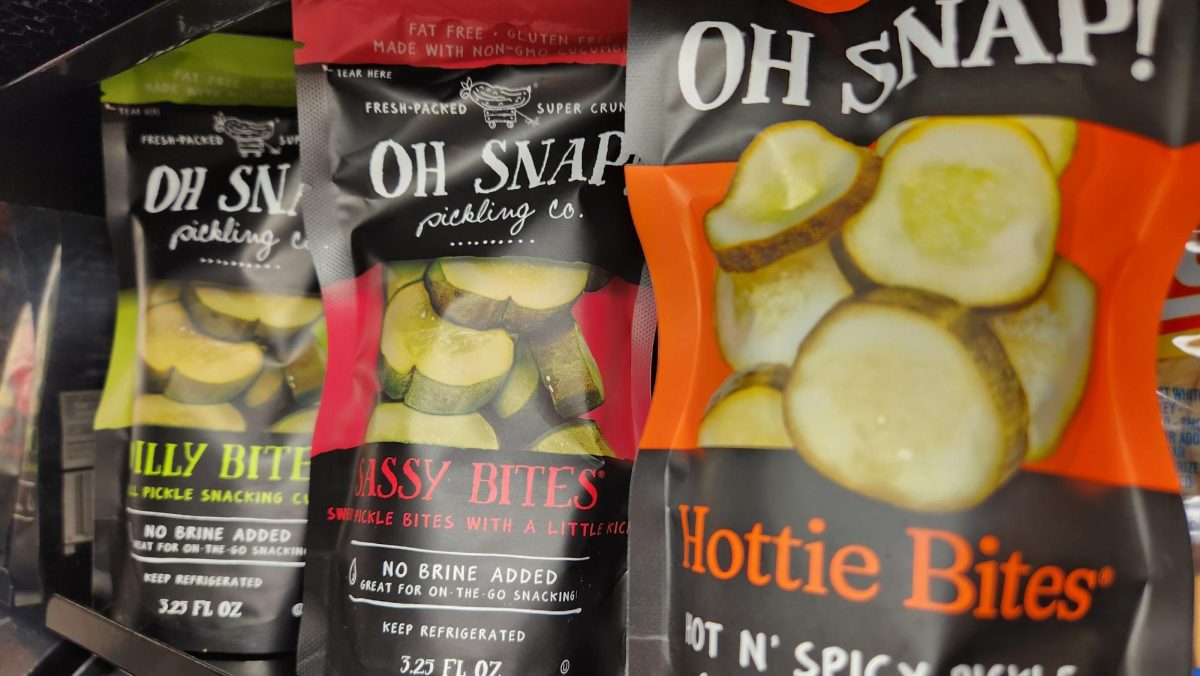
One of the most talked-about trends: pickle juice.
In order to avoid cramps or side-stitches in the first place, experts recommend athletes hydrate before a race, especially in cross country.
“We also have to make sure we drink enough water,” senior Omar Cantu said. “So that way we avoid cramping.”
Cantu is a four-year member of the cross country team at West Chicago Community High School who said he rarely ever gets cramps because he drinks a decent amount of water before and after his races and practices.
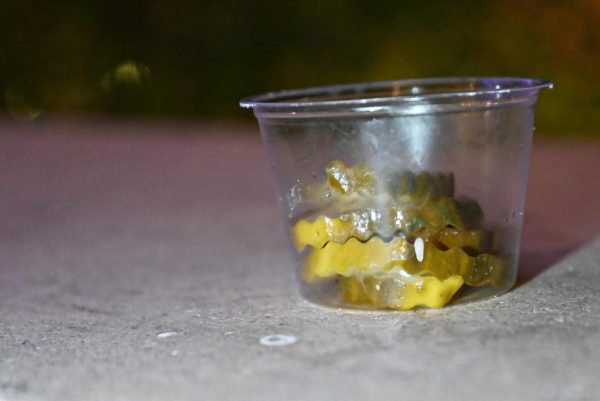
Cantu had not heard about runners turning to pickle juice to avoid cramping, but thought the theory made sense.
“I might try it like once, because I’m pretty sure pickles have a lot of sodium,” Cantu said. “So that would help avoid cramps, but it sounds kind of weird and nasty to drink.”
West Chicago Community High School nurse Cathy Collins said pickle juice can help replenish electrolytes, especially sodium, which are lost through sweat. She added that her own daughter, a volleyball player, drinks pickle juice after practice to replace what she has lost throughout the day.
On the other hand, she cautioned that pickle juice must be used in moderation. The drink’s high sodium content can be unhealthy in large amounts, and its vinegar can irritate the digestive tract. Information on long-term benefits is also limited, though researchers say the vinegar content in pickles may activate muscle reflexes linked to cramping.
“Some athletes swear by it, attesting that pickle juice really works. Still, the science behind it is unclear,” reporter Adrian White of Healthline said.
Some runners rely on more familiar hydration options. To avoid cramping, they drink Liquid IV, an electrolyte drink mix that people put into their water – similar to Gatorade – another hydration-boosting drink.
“I like drinking liquid IV a lot,” senior Valeria Ballines said. “I think a lot that goes into it too, is just stretching in general.”
Ballines is a three-year member of the cross country team at West Chicago High School, and her experiences vary from Cantu’s. She has suffered about three injuries, all minor, but they kept her out from racing before.
She, too, was also open to trying pickle juice to avoid cramping.
“I would, because I love pickles, so it wouldn’t seem like a bad thing to do,” Ballines said. “But I don’t know how efficient it is because it’s salty. I wouldn’t deny trying [it].”
Caffeine: is it really as bad as people think it is?
Pickle juice is not the only performance-related habit gaining attention. Another growing trend among teen athletes is caffeine.
“I’m pro caffeine for student athletes: they already have a lot on their mind,” senior Benjamin Plumlee said. “Especially with like school work, [or] tomorrow’s test, and even weekend competitions.”
Plumlee is a wrestler at West Chicago High School, who loves a good Celcius.
“A Celsius Arctic Vibe is one of my favorite flavors, I will take this like before game, just so that I could dial in and focus on my match for that day, rather than having my mind racing about other things that I have to do,” Plumlee said.
Fellow wrestler Daniel Lopez agrees with Plumlee’s caffeine takes.
“Ghost energy drinks: I drink that before a match because they taste good, and let me dial-in and focus,” Lopez said. “And usually, before you get on, you think about a bunch of different things, and as soon as you step on the mat, your head is clear.”
And it is not just drinks — caffeine gummies are rising in popularity, too.
Collins said caffeine gummies can enhance alertness and concentration and may give athletes an energy boost. However, she emphasized that teen bodies are still developing, which may make them more sensitive to caffeine’s negative effects. Too much caffeine can cause sleeplessness, anxiety, jitters, stomach pain, or prevent teens from feeling tired enough to get necessary rest.
“We see a lot of students that only drink a caffeinated drink in the morning and then they are in our Health Office complaining of stomach pain, acid reflux, feeling anxious and nauseous,” Collins said.
Like pickle juice, Collins said, caffeine gummies and other quick-fix performance boosters must be used in moderation — and teens should make sure their parents are aware in case they experience a negative reaction.


