


Note: Before beginning any major dietary or exercise change, students should consult a physician, athletic trainer or other qualified healthcare professional to ensure the plan aligns with their individual health needs.
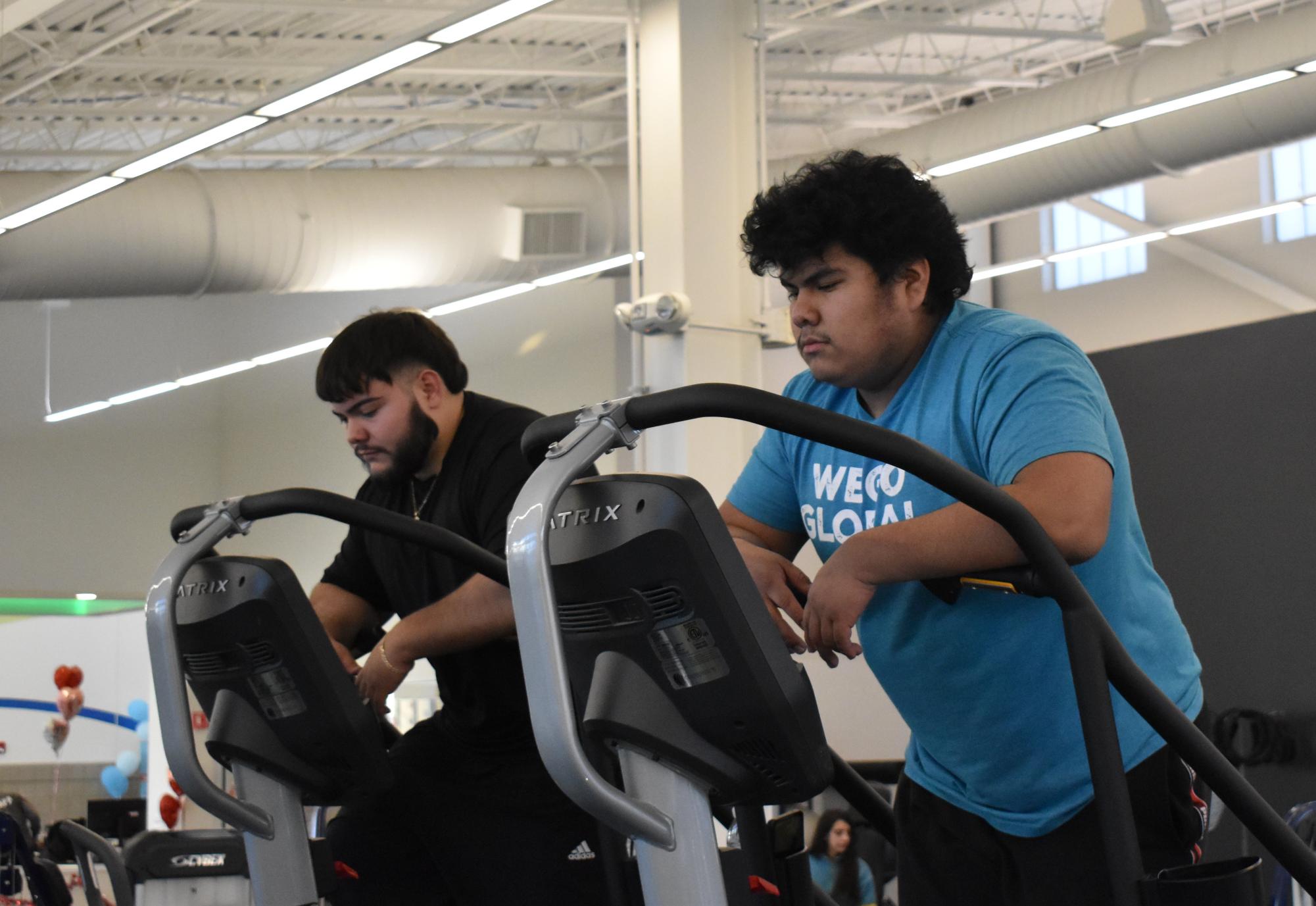
The sounds of clanking metal repeat over and over. The excessive grunting of people trying to lift weights they cannot. The distinct metal smell of a barbell. Loud music plays in the background. The chemical scent left behind on the benches lingers. This is where the process of gaining or losing weight truly begins.
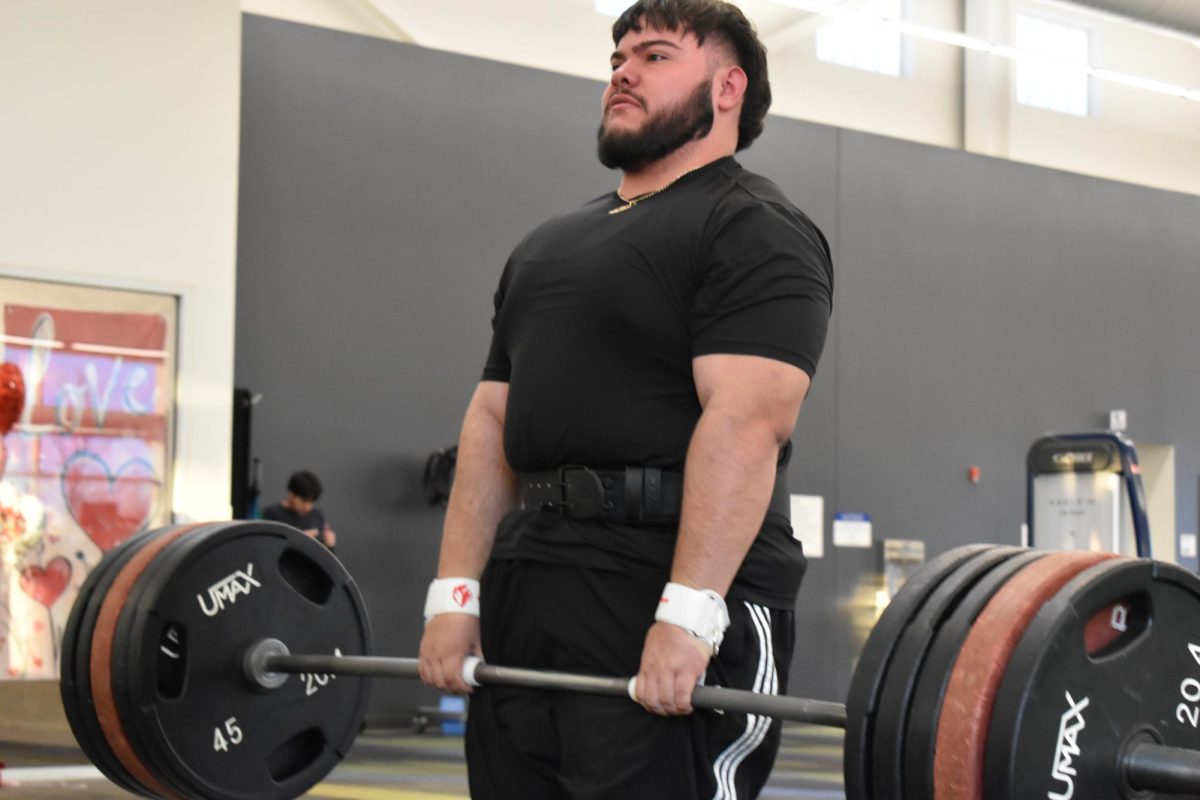
Losing or gaining weight — many say it is impossible to do one or the other. The reality is that it is relatively straightforward: unless someone breaks the laws of thermodynamics, weight loss or weight gain comes down to calories burned versus calories consumed. While individual bodies respond differently, the principle remains the same. Those who want to try just have to adjust their process to fit their specific lifestyle.
However, weight is influenced by more than just calorie math. According to the National Institute of Diabetes and Digestive and Kidney Diseases (NIDDK), lifestyle habits, sleep, environment, certain medications, health conditions and genetics can all affect body weight. Not getting enough sleep, for example, is linked to increased hunger and higher calorie intake, and adults ages 18–64 are recommended to get seven to nine hours per night.
According to TNF, a reputable fitness coach, and the NIH, losing or gaining weight requires a caloric deficit or caloric surplus.
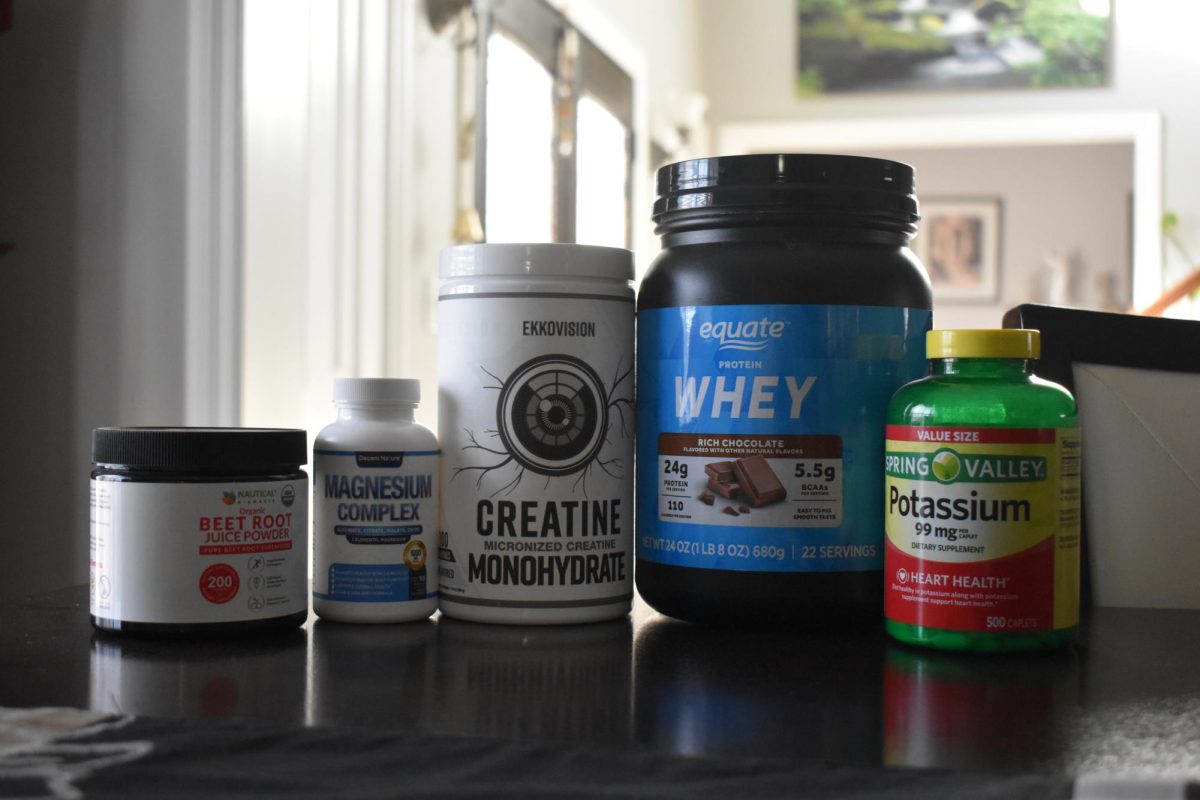
Bulking may seem easier than cutting, but the truth is, it is still difficult. Gaining weight does not mean eating whatever one wants in hopes of adding size; people still need to track their micronutrients (vitamins and minerals) and macronutrients (protein, fats, and carbohydrates), as both are essential. If these nutrients are not a staple in one’s diet, both mental and physical health can suffer.
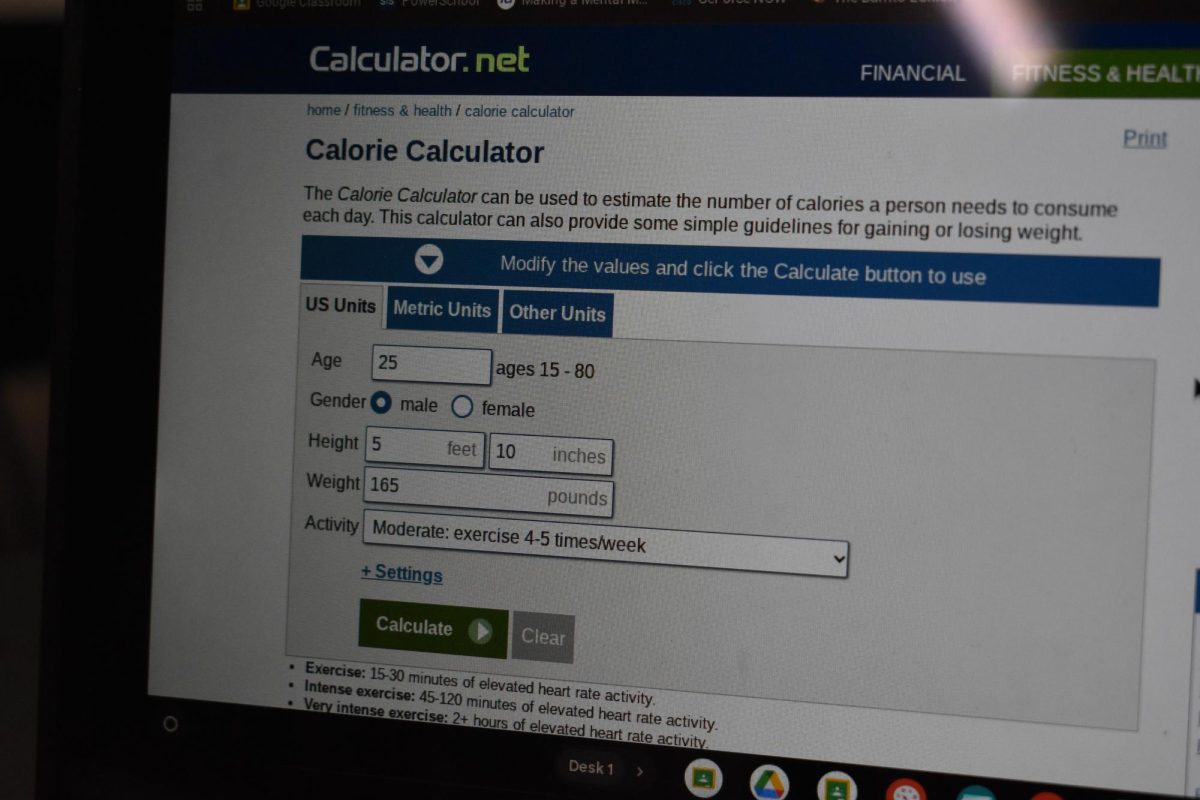
Step 1: Find maintenance calories
Find maintenance calories using height, weight, age and activity level. Online calculators can help estimate this number. This is the most important step, because everyone’s body requires a different amount of calories.
Step 2: Create a surplus
Depending on how much weight one wants to gain, add 500-1000 calories to the daily diet to gain 0.5-2lbs a week. Adding too many calories too quickly can lead to unnecessary fat gain. Consistency is key.

Step 3: Choose a strategy
Choose between a “dirty” or “clean” bulk. A dirty bulk may lead to faster weight gain, but also fat accumulation, according to the Cleveland Clinic. Some consider a dirty bulk the easier means to meet one’s calorie needs, and it involves less cooking. though it is often viewed as less beneficial for overall health.
However, sports medicine physician Dr. Michael Dakkak of Cleveland Clinic warns that dirty bulking focuses solely on overconsuming calories without considering nutritional quality. Research has shown that while athletes who drastically increase calories may gain weight, much of that gain is body fat rather than muscle. In one study of elite athletes, those who overate increased their body fat by 15% without improving lifting performance compared to those who maintained a regular diet.
“It increases your fat and your risk of chronic disease without any improvement in performance,” Dakkak said.
A clean bulk focuses on nutrient-dense foods. Clean bulking does not have to be bland; protein intake should remain around 0.8 — 1 gram per pound of bodyweight, while carbohydrates and fats help provide the additional calories needed.
According to Cleveland Clinic, a balanced bulking diet may include roughly 50% carbohydrates, 30% protein and 20% healthy fats, prioritizing complex carbohydrates and unsaturated fats.

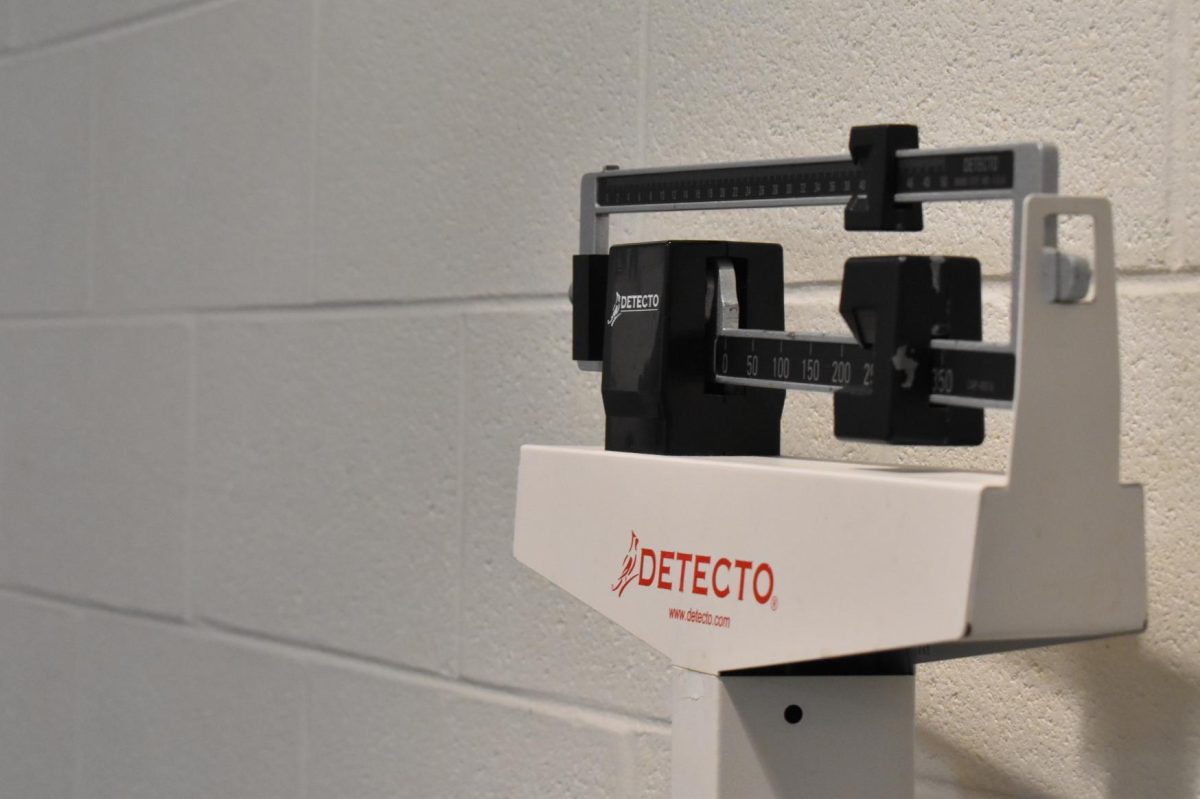
(Photo by Aleksander Ochoa)
Step 4: Track consistently
Count calories consistently, whether on paper or an app; tracking intake is essential. Apps like MyFitnessPal are simple to use and have barcode scanning for packaged food.
Step 5: Train with intentionPrioritize going to the gym and exercising as well. To gain muscle and not just fat, fat gain is inevitable during a bulk; prioritize resistance training. Training with intensity and progressive overload is important; many lifters aim to push close to failure while maintaining proper form. Develop an excellent workout routine, hitting each muscle group twice a week. Make sure to get adequate rest time and have rest days, and prioritize water.

For cutting, the process is similar but reversed. Instead of adding calories, reduce intake by 250–500 calories below maintenance. This allows for steady weight loss of 0.5–1 pound per week, a range supported by experts including the CDC and the Mayo Clinic as sustainable and safer than drastic cuts.
Protein intake should remain high to help preserve muscle, as outlined by the National Library of Medicine. This advice aligns with guidance from Harvard Health and other reputable sources: maintaining protein while in a caloric deficit helps the body retain lean mass during weight loss.
Carbohydrates may be adjusted based on energy needs, and fats should not be eliminated. Sleep, stress levels and overall lifestyle habits can also influence results, according to NIDDK. Maintaining resistance training during a cut signals the body to preserve muscle mass.
Healthy fat sources — like nuts, seeds, avocados and olive oil — also play a role in balanced nutrition during cutting and help support overall hormone and nutrient absorption, according to widely used nutrition resources.
Muscle loss is possible but not inevitable during a cut according to Harvard Health, which emphasizes that combining adequate protein intake with resistance training reduces the risk.
No matter how long it takes or how hard it seems, consistency matters more than perfection. Progress takes time, but it can be worth it in the end. With patience and discipline, the process of bulking or cutting becomes less overwhelming and more achievable.
Whether bulking or cutting, the goal should not be extremes, but sustainability. Building or losing weight safely requires patience, balanced nutrition and realistic expectations — not shortcuts.