


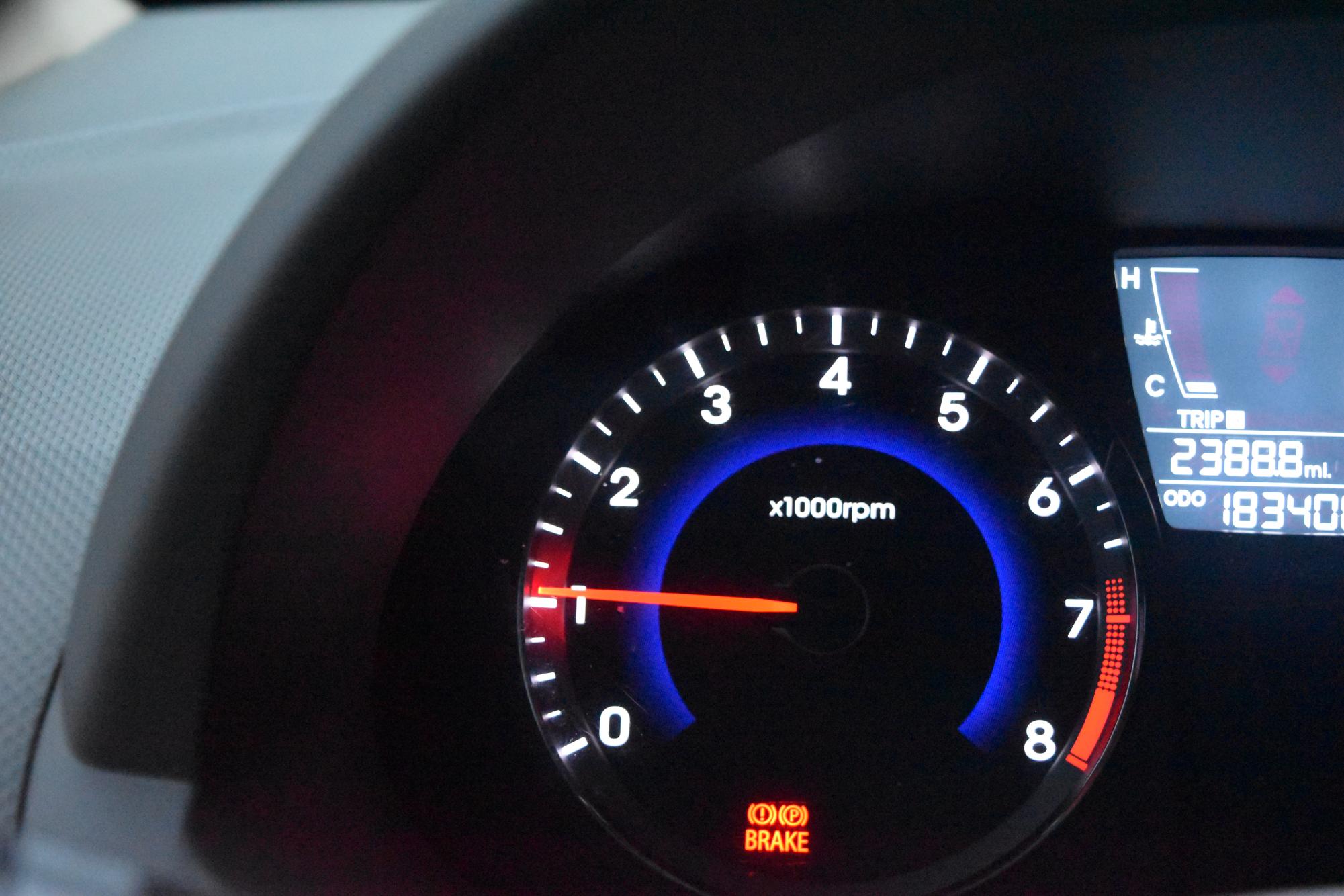
Adrenaline runs through the body as the race is nearing its end with the revving of the engine echoing through the ears as one shifts from fifth to sixth reaching top speed. This is the thrill of driving a manual car – commanding the engine with every shift.
Manual cars were the beginning of a revolutionary movement in transportation in the late 19th century. Now, many car enthusiasts prefer a manual over an automatic as they deem it a more engaging way to drive.
Unlike an automatic transmission that changes gears by itself, a manual transmission requires the driver to shift from gear to gear. Manual transmissions can come in five- or six-speed formats, along with reverse. There are three pedals: the clutch, brake and gas. The clutch separates the engine from the transmission, allowing the two components to connect and disconnect as needed. The handbrake is another key component, as this prevents a car from rolling away, even on a slight incline, when left in neutral. Driving a manual car is much easier than many people realize. With these simple steps, anyone can learn to drive a manual.
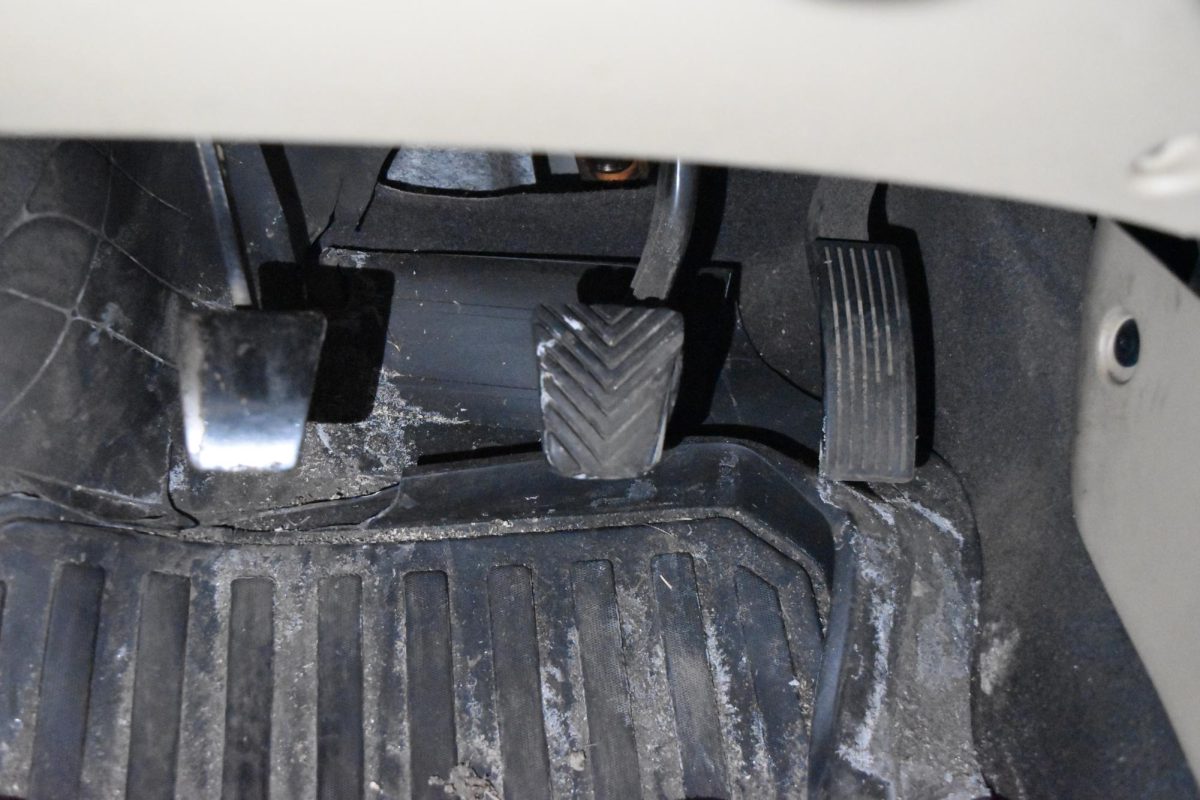
Step 1
Before even starting the car, identify all the pedals. From left to right, there are the clutch, brake and gas.
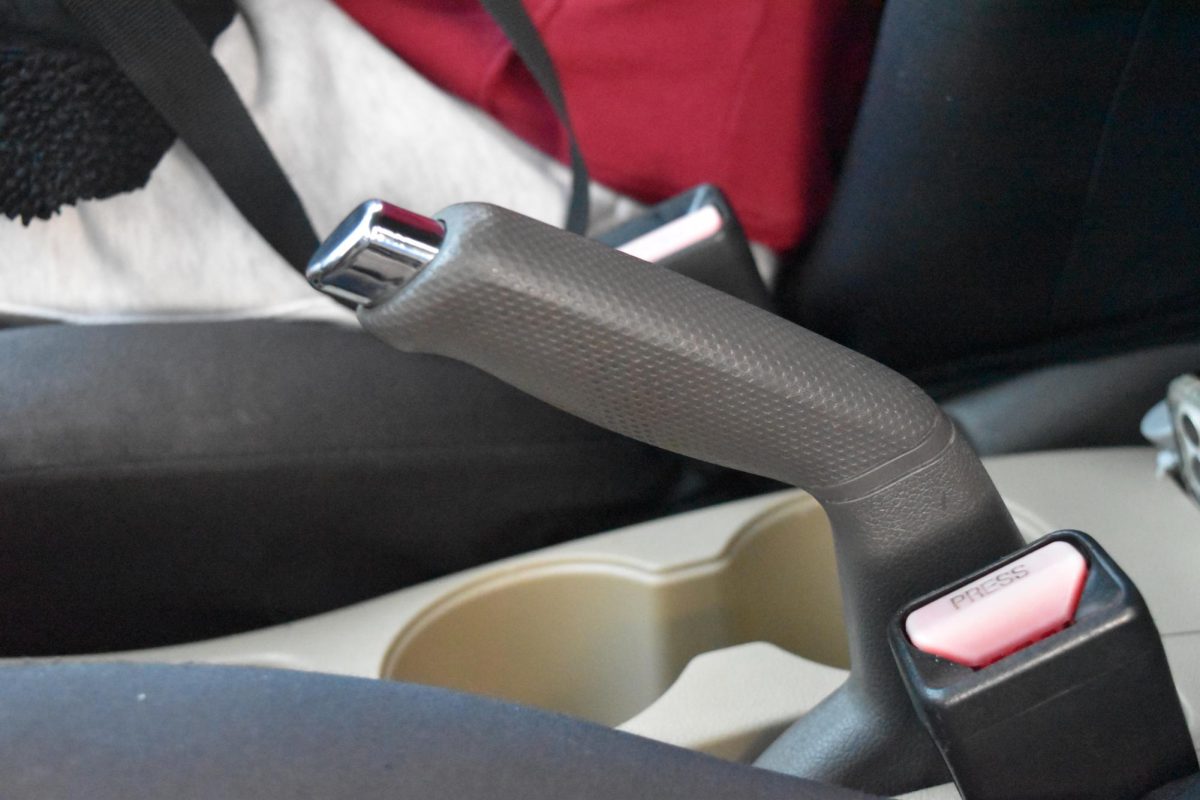
Step 2
Starting the car will require stepping on the clutch all the way and holding it there while turning the ignition. Make sure the car is in neutral and the parking brake is engaged. The parking brake helps the car stay put so it does not roll away on an incline, and neutral allows the driver to release the clutch without stalling.
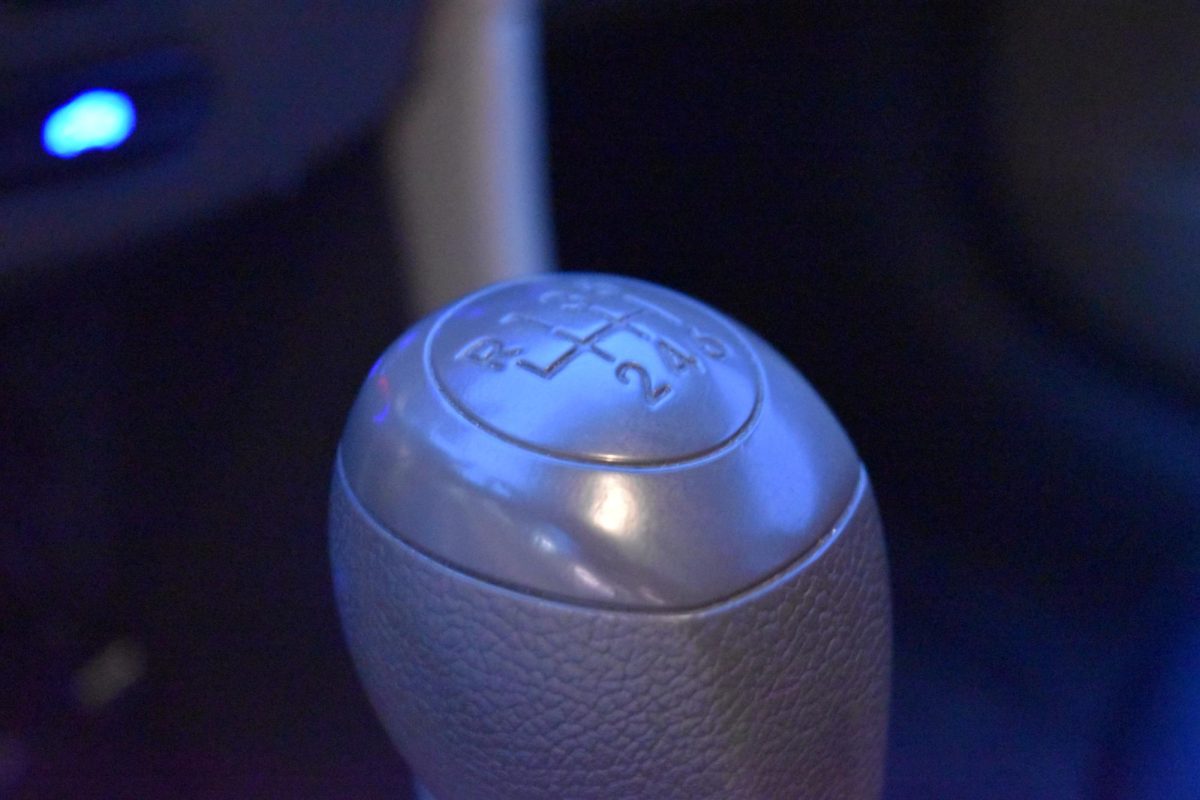
Step 3
After turning the car on, keep the foot on the clutch and move the gear shifter through all the positions to understand where they are located. The positions are illustrated on the knob of the gear shifter. The shifter allows the driver to change gears in the transmission so the car can reach higher speeds.
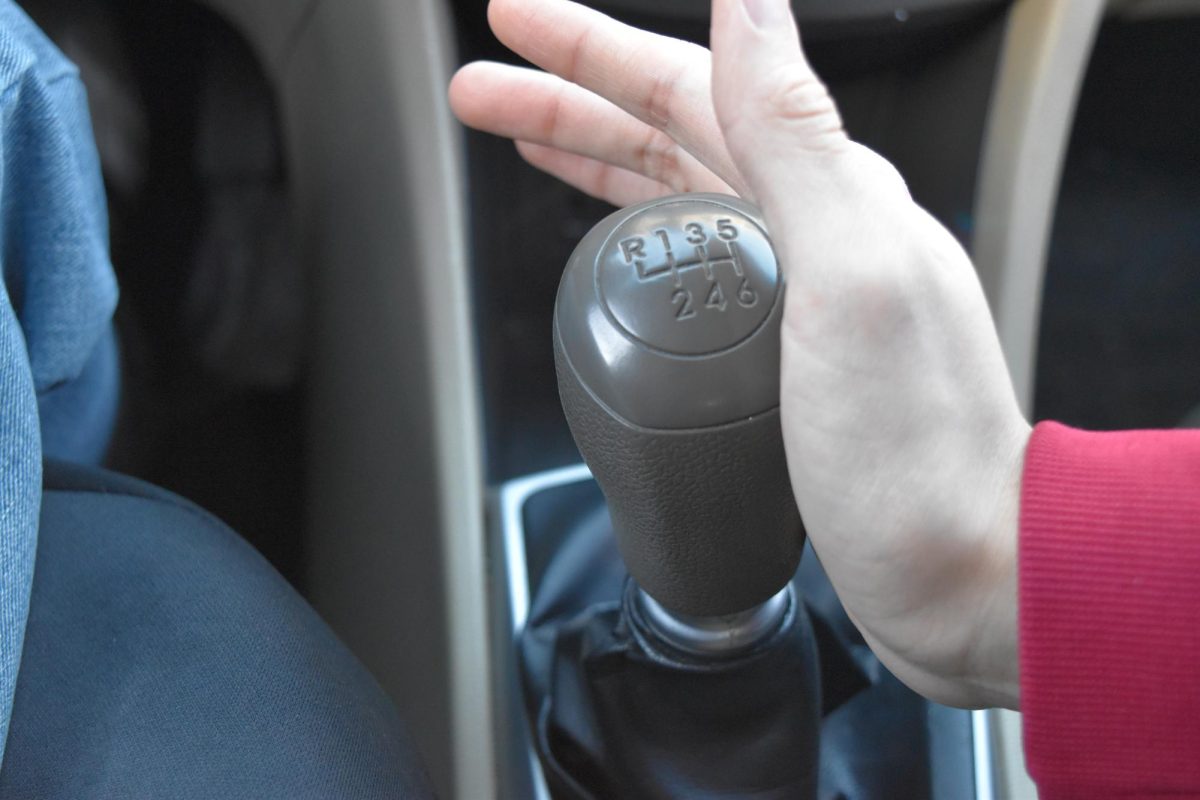
(Photo by Carlos Morales)
Step 4
Disengage the handbrake, but step on the brake pedal while pressing the clutch and shifting into first gear. Slowly release the clutch until reaching the “bite point,” at which the car will start to vibrate. At that moment, the foot can be lifted off the brake, and the car should start to roll forward. The bite point is what connects the transmission to the engine. It can vary depending on the car and how worn down the clutch is.
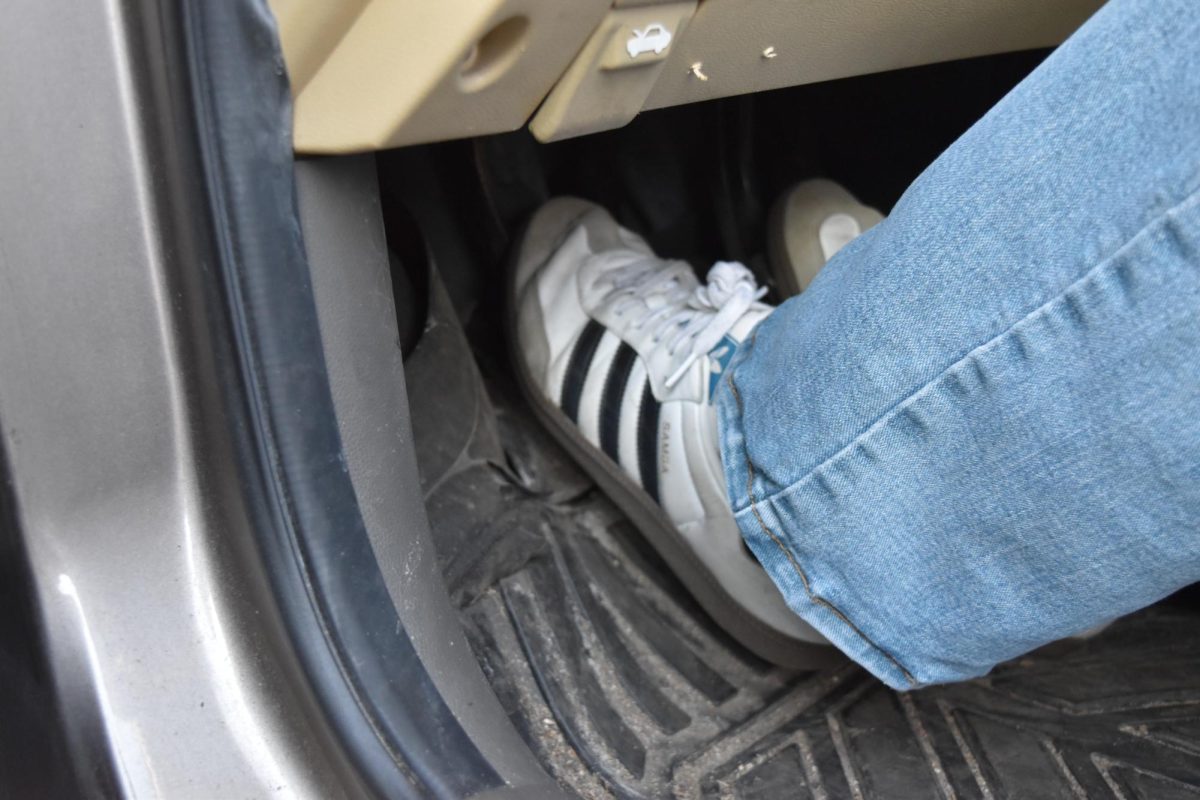
(Photo by Carlos Morales)
Step 5
After finding the bite point, press lightly on the gas while slowly releasing the clutch. The car will start moving a little faster, and the clutch can then be released fully. Pressing on the gas gradually is important; if not done, the engine will not have enough power to keep moving, which causes the car to stall.
Getting the car to move when stopped is literally the hardest part of driving a manual. Over time, the driver’s feet will start to adapt, and they should be able to find the bite point without thinking about it. Stalling the car is part of the process of becoming a good manual driver and helps build confidence, so do not worry if that happens at first. Driving a manual is a skill that remains useful in many parts of the world, especially in countries where manual vehicles are more common.
Whether navigating the engine’s bite point or swapping stories between sets, mastering a manual is not just about control — it is about connection.