



The aroma of freshly ground coffee fills the room, and the espresso machines click, hatching the steam to rise lightly. All these elements create a familiar atmosphere for all but brush directly on teenagers. Coffee shops have always been hangout spots, whether it’s after school or early in the morning. The atmosphere attracts all and can be seen in the recent trend where teens expand their interest in caffeine.
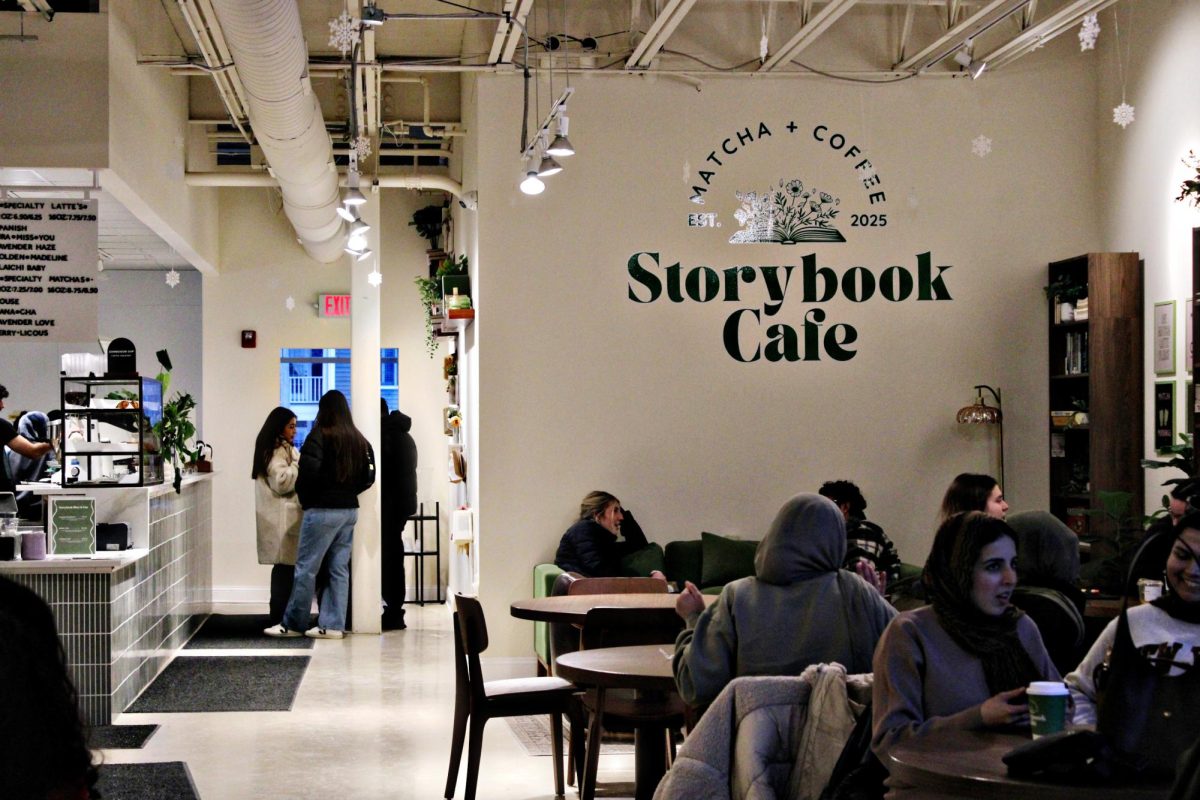
While the setting may feel calm and inviting, the reason teenagers come back doesn’t necessarily hinge on the aesthetic. Long school days, packed schedules, and lack of sleep have made coffee a daily necessity for this generation. One that values both energy and aesthetics.
“It’s just a vibe, you know, just grab a coffee, play a game, grab a book. Yeah, it’s just really nice,” Sarah Vora, Storybook Cafe part-owner, said.
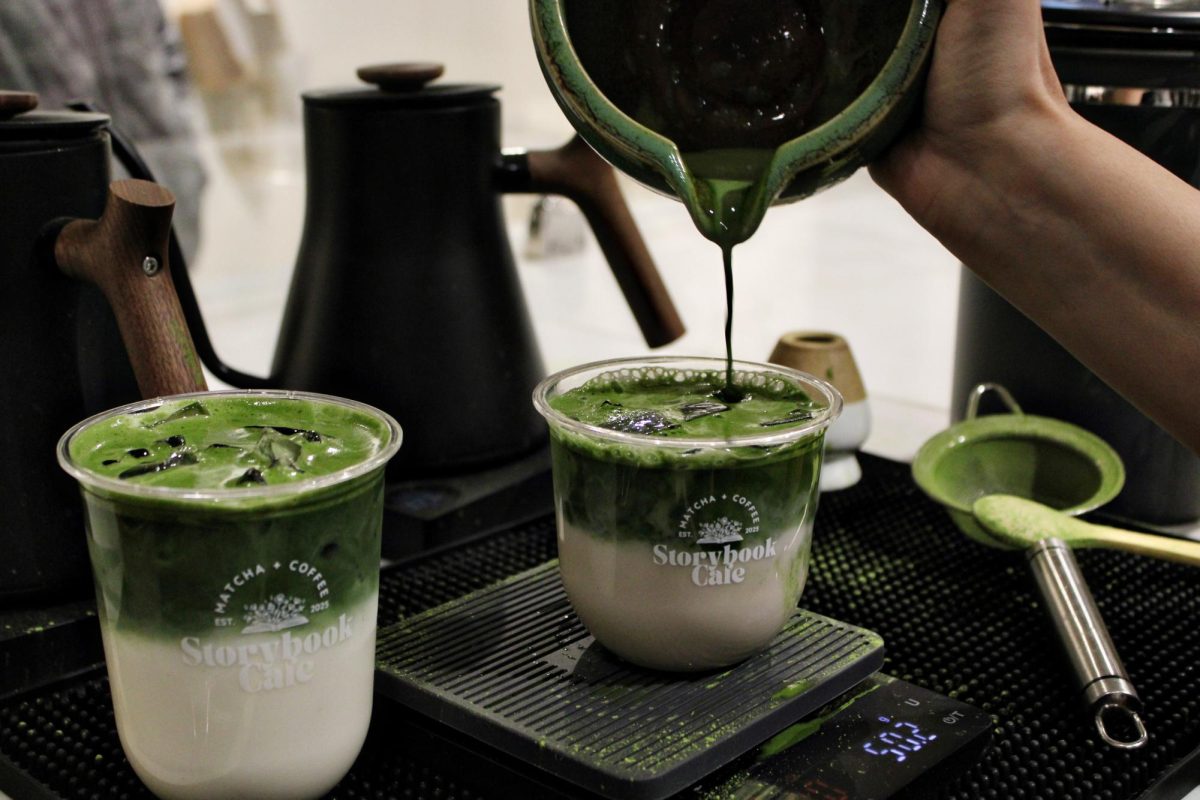
As matcha grows in popularity among this new generation, many are drawn to its slow-release caffeine effect, which provides a steady boost of energy without the intense jitters often associated with coffee.
“Matcha is like a slow release caffeine. So it’s not like coffee where you get jitters. So it’s like this great drink where you’re getting this slow release of caffeine throughout the day,” Vora said. “There’s so many health benefits to it. It’s like this perfect mix of caffeine, a drink and a pick me up”
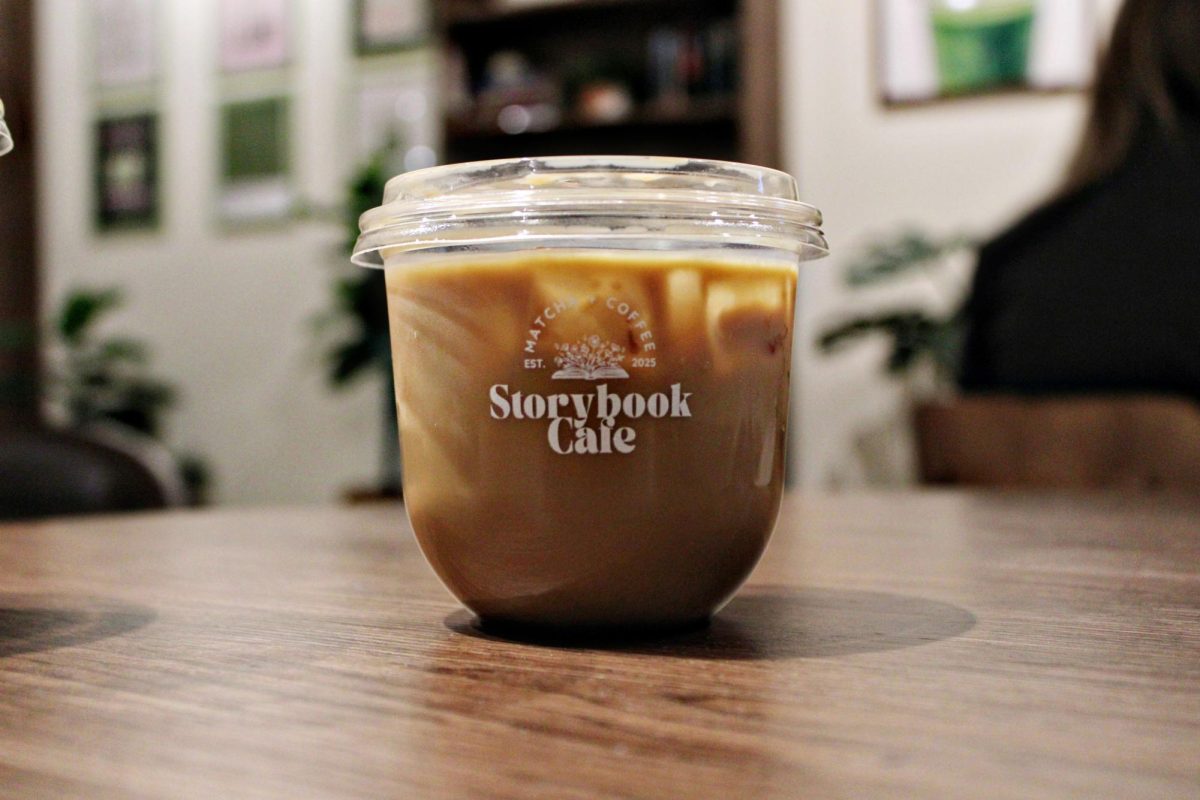
Besides Matcha, coffee remains one of the most popular caffeine choices among Gen-Z. While matcha is known for its slower, more gradual caffeine effect, coffee delivers a stronger and faster energy boost that many Gen-Z rely on after long school days, work shifts, and packed schedules.
“we typically offer two shots in a typical latte, and two shots has probably about 200 milligrams of caffeine,” Vora said. “A lot of customers prefer that. But we also give customers who prefer a stronger coffee and a stronger caffeine fix more shots, but espresso shots in general just have more caffeine.”
“Coffee, I feel like matcha is only good on specific days, and sometimes It can be a hit or miss, like sometimes its too sweet or too bitter bitter,” Senior Kimberly Resendiz said.
The real question comes into play: is it a necessity or just an aesthetic? In a recent Instagram poll, the Wildcat Chronicle received 109 votes, 61% of them saying they drink coffee “Just because” and 39% for alertness at school or at work. The data shows that Gen-Z is driven less by necessity and more by the aesthetic and social appeal surrounding coffee culture.

In another Instagram Poll The Wildcat Chronicle received 150 votes, 73% preferring coffee and 27% preferring matcha. These results suggest that for many Gen-Z students, coffee consumption is not only driven by caffeine needs but also by routine and familiarity, making it a default choice in their daily lives.
“I prefer Matcha because it’s really good if you order it the right way, it can’t go wrong. But it doesn’t get me all jittery, like regular coffee would, and I feel like it doesn’t make your body go into shock if you’re like in an empty stomach,” senior Samantha Esquivel said.
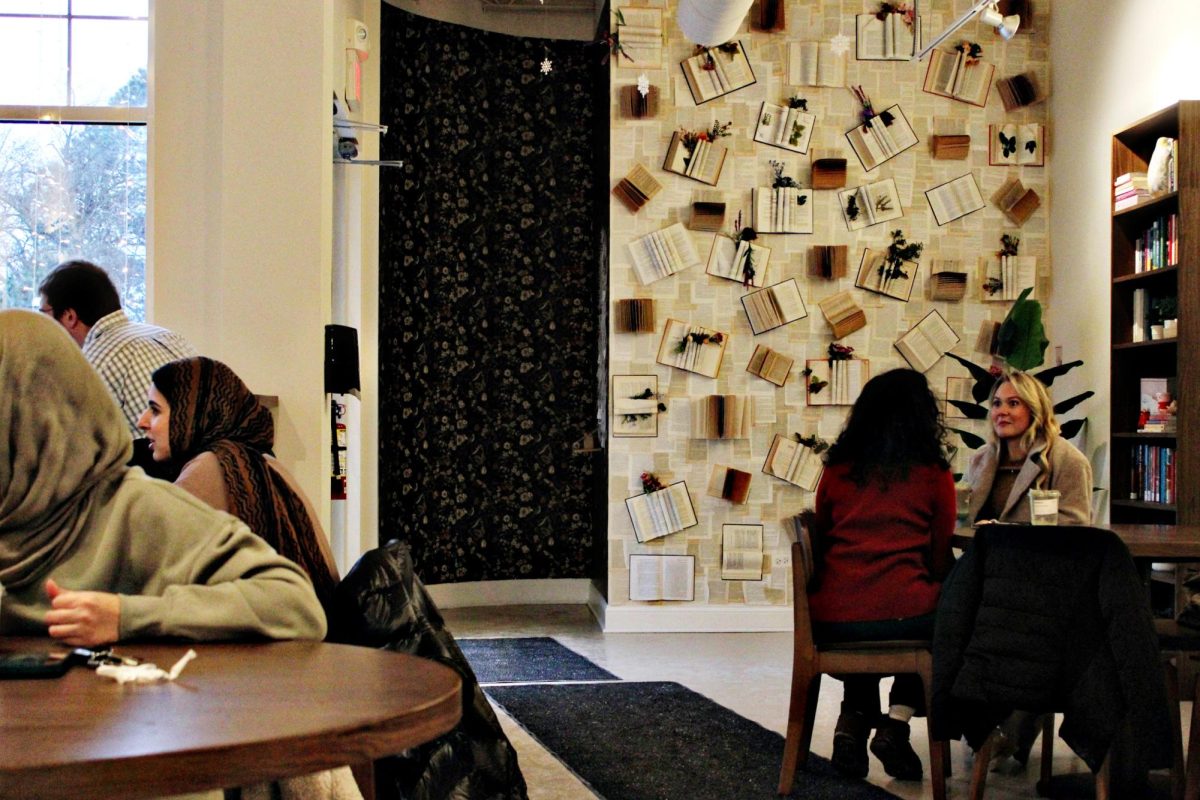
A cup of coffee often becomes more than just a drink; it can turn into a constant companion during daily routines. Whether it’s sipping a latte while flipping through a textbook, enjoying a cappuccino alongside a novel, or keeping a matcha latte at hand during study sessions, coffee seamlessly blends into moments of focus and relaxation. For many Gen-Z students, these small rituals make caffeine a familiar presence, almost like a comforting background to the things they do every day.
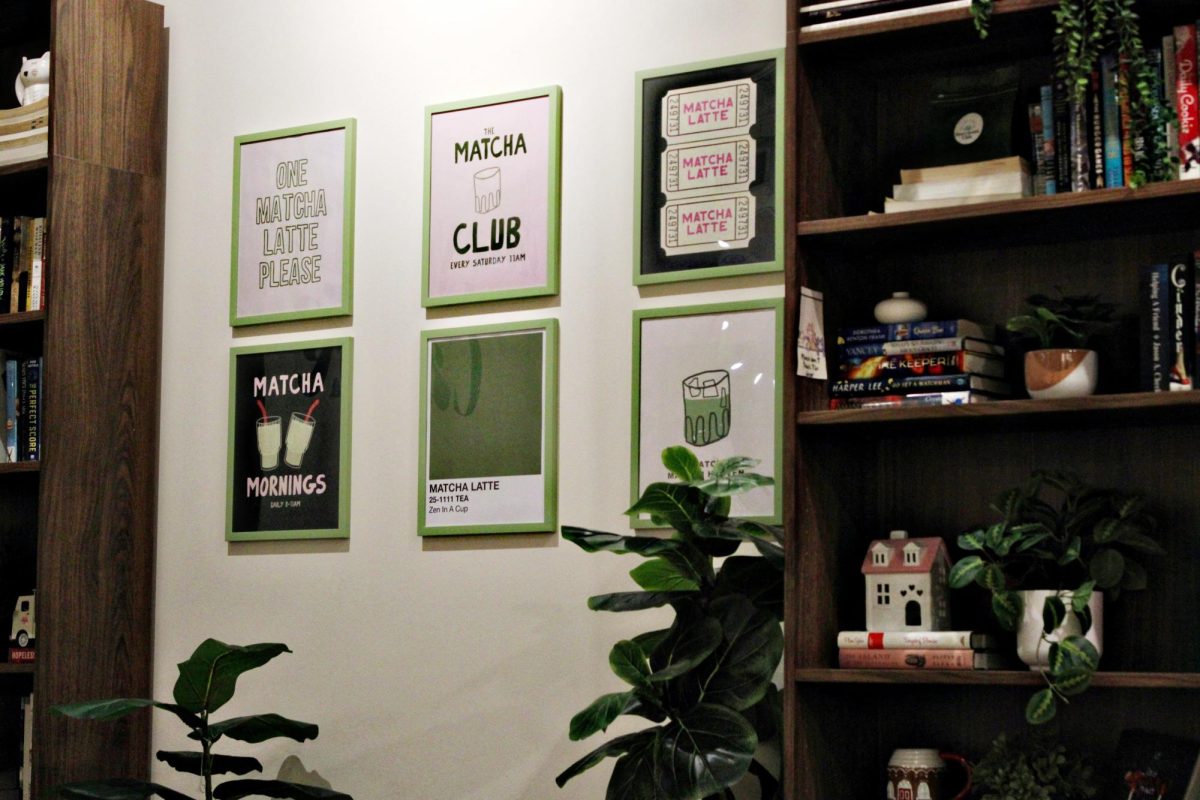
“I like going to coffee shops because it’s very calming, and I feel like if the place looks good, the matcha is gonna taste good,” Esquivel said.
Eviee • May 8, 2026 at 11:14 am
This is so aesthetically pleasing
Lauren Stewart • Feb 10, 2026 at 9:47 am
I really appreciate the photography in this article. What a great location to highlight the allure of coffee culture.