



Whether it is foot skills, scrimmaging, or lifting, the benefits of off-season are key to laying down the foundation and providing extra practice for athletes. General benefits include increased confidence, amplified sports performance, and reduction of injury overtime.
“Off-season workouts will help you feel strong and confident in your ability on the field. It will make you better at adjusting and performing on the athletic stage,” WEGO softball coach Mary Kate Dieter said.
All sports typically include lifting in their off-season sessions to make athletes stronger and faster, targeting muscle groups like legs, arms, and core.
However, each session also has individualized training since different sports focus on different areas. For example, soccer players mainly train legs and core, but also train technical and foot skills to master controlling the ball. On the other hand, softball players are more known for training arms and core to have powerful swings, but also focus on the technique of hitting the ball. Together, these sessions can be more important than people give credit for.
“Athletes who participate in off-season training come back looking better in practices and games. They stand taller, they throw harder, and they run faster consistently,” Dieter said. “The way they move on the field looks smoother and more effortless than before. Any experienced coach will notice the changes within just five minutes of watching the athlete, if they have been putting in the work.”
Not only are there physical benefits, but also increased confidence and opportunities to develop in leadership.
“Setting goals, doing challenging things, and seeing things through shows athletes they can grow and thrive during tough circumstances. It boosts their confidence going forward,” Dieter said.
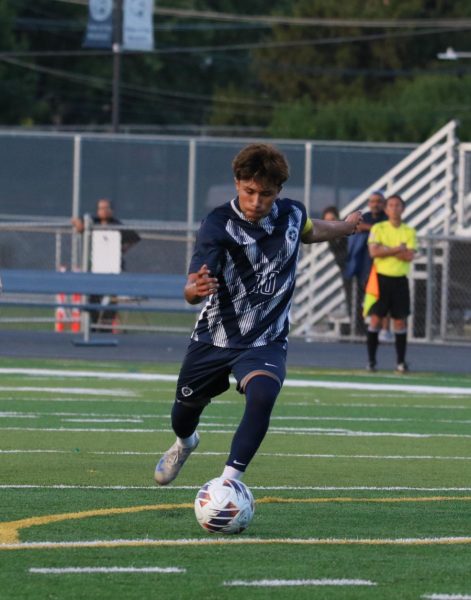
When preparing for the upcoming season, coaches recognize that setting goals and having athletes be in the best shape possible are essential to the team’s success. To facilitate this and maximize results, off-seasons are implemented and heavily encouraged to attend.
“It’s hard to set goals for the program, because any extra work cannot be mandatory. The individual player has the option to do it or not, but it is always beneficial for them to be doing something before the season,” soccer coach Cesar Gomez said.
Although off-season is typically led by coaches, it’s truly the players’ individual dedication and commitment to improve that can make the difference. No one demonstrates this better than senior Jessie Myers, who has consistently attended off-season for soccer and flag football.
“For the last 4 years, I have gone to foot skills practices (happy feet) twice a week during the winter, and I watched myself improve exponentially in that time. Now, I’m able to help out underclassmen who are going through off-season for their first time, and I can encourage them to stay with it,” Myers said.
Myers continued, mentioning that the off-season helped her grow individually, but also provided opportunities to get to know her teammates and build chemistry.
“Tryouts are three days long at max. That’s nowhere near enough time for coaches to get to know players, which is where the off-season comes into play,” Myers said. “In open gyms, coaches don’t only get to see individual players’ skills, but they can watch specific combinations of players that work well and they want to put on a team together.”
Process and growth over perfection is always going to be the priority in the off-season, which is why it’s available for anybody who is interested.
“The soccer open gyms are always cool because the teams are mixed up across all grades and skill levels, which means younger players can learn from upperclassmen. My goal for myself and my teammates through the off-season is always to end it better than when we started,” Myers said.