

[IN-DEPTH] The past in our present: Effects of nostalgia


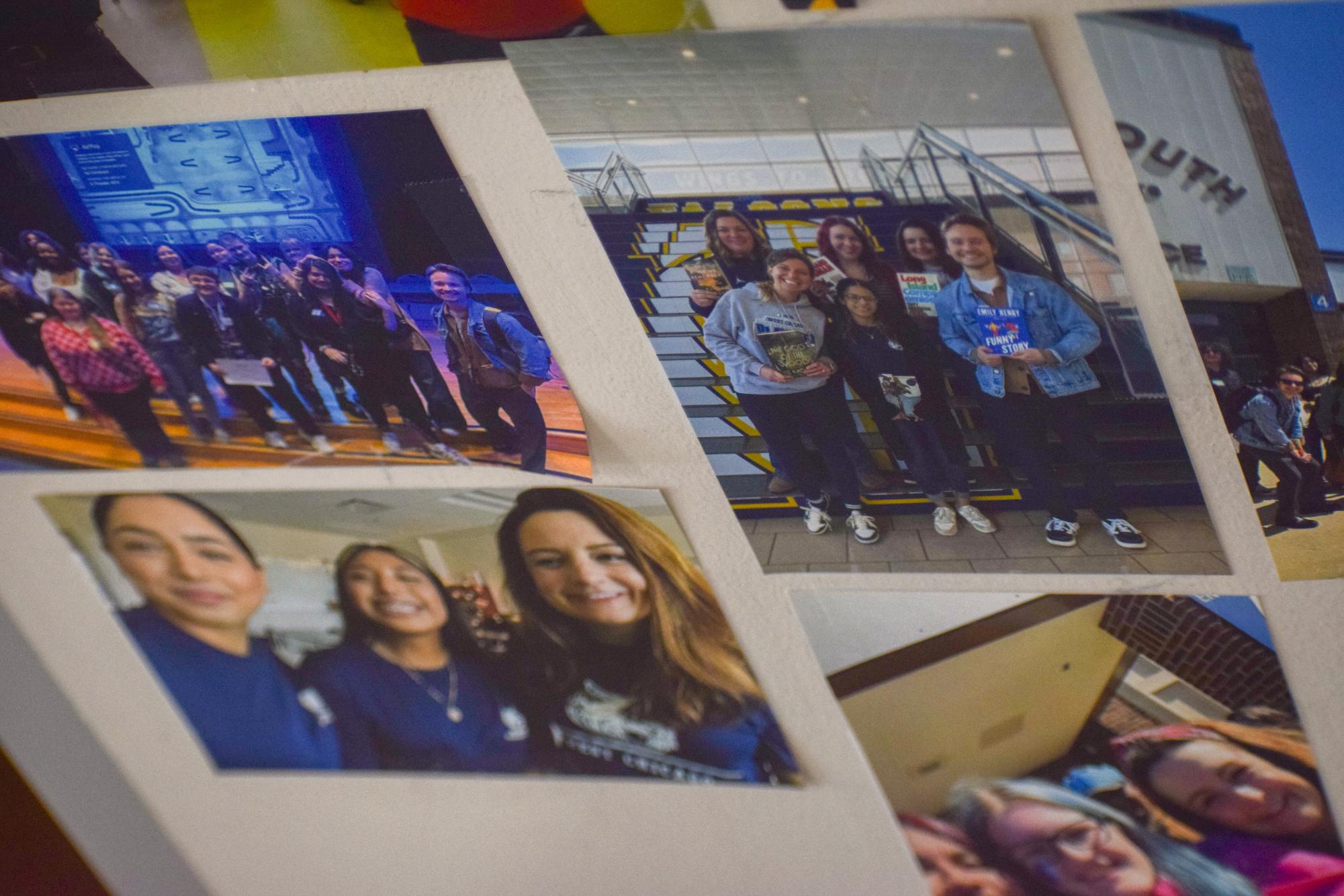
Social media plays a major role in shaping people’s sense of style and taste. Platforms like TikTok and Instagram often function as trend archives, recycling what once was and making it feel new again.
Pew Center Research by Michelle Faverio and Olivia Sidoti on teenagers’ relationship with technology found that nearly half of teens are consistently online – a 24% increase from a decade ago. Because many social media platforms encourage the recycling of trends, influencers frequently revisit content from decades past, reigniting interest in those eras. This nostalgia-driven content reaches users of all ages, making it easier to reconnect with styles, music and culture from earlier generations with a simple scroll.
“People want the fashion that used to be popular back in the day, and they want to bring that back. Fashion nowadays is kind of all the same,” West Chicago Community High School sophomore Leah Ashline said.
Online platforms not only play a role: friends and family can too.
Those closest to an individual often spark curiosity and longing to connect with past experiences. A desire for connection and similarity makes close relationships especially influential.
“She’s my older sister, so she was a big influence on everything I did when I was a kid, and I just wanted to be like her,” high school senior Tristan McWilliams said.
McWilliams draws inspiration from his older sister to pursue fashion, selling clothing online and researching upcoming trends. He spends his free time thrifting, shopping and following new influencers to expand his knowledge.
“It becomes a tipping point of maturity. Like, what do I value? What are my goals? And how do I align that with the role model?” West Chicago High School psychologist Karen Szot said.
Being exposed to other people’s nostalgia can make the past feel more meaningful. Without emotional connection, trends lose their significance. These connections can boost self-esteem, strengthen social bonds and encourage people to seek support.
“It feels a lot more personal, it feels more connected and easier to connect to,” high school junior Jayden Morales said.
Trends rooted in nostalgia appear throughout daily life – sometimes unnoticed at first glance.
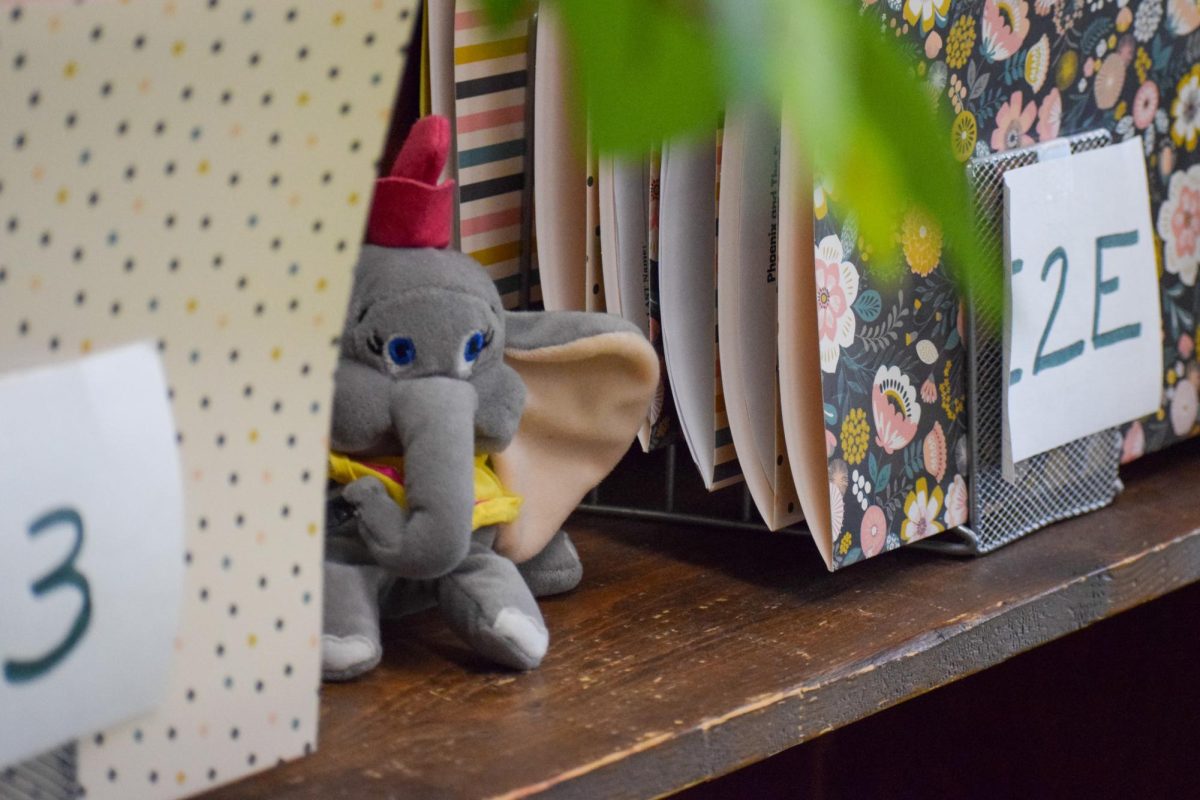
Toy chains and figurines remain popular because of their emotional connection. Many people keep childhood characters close, reflecting deep attachment to objects from the past.
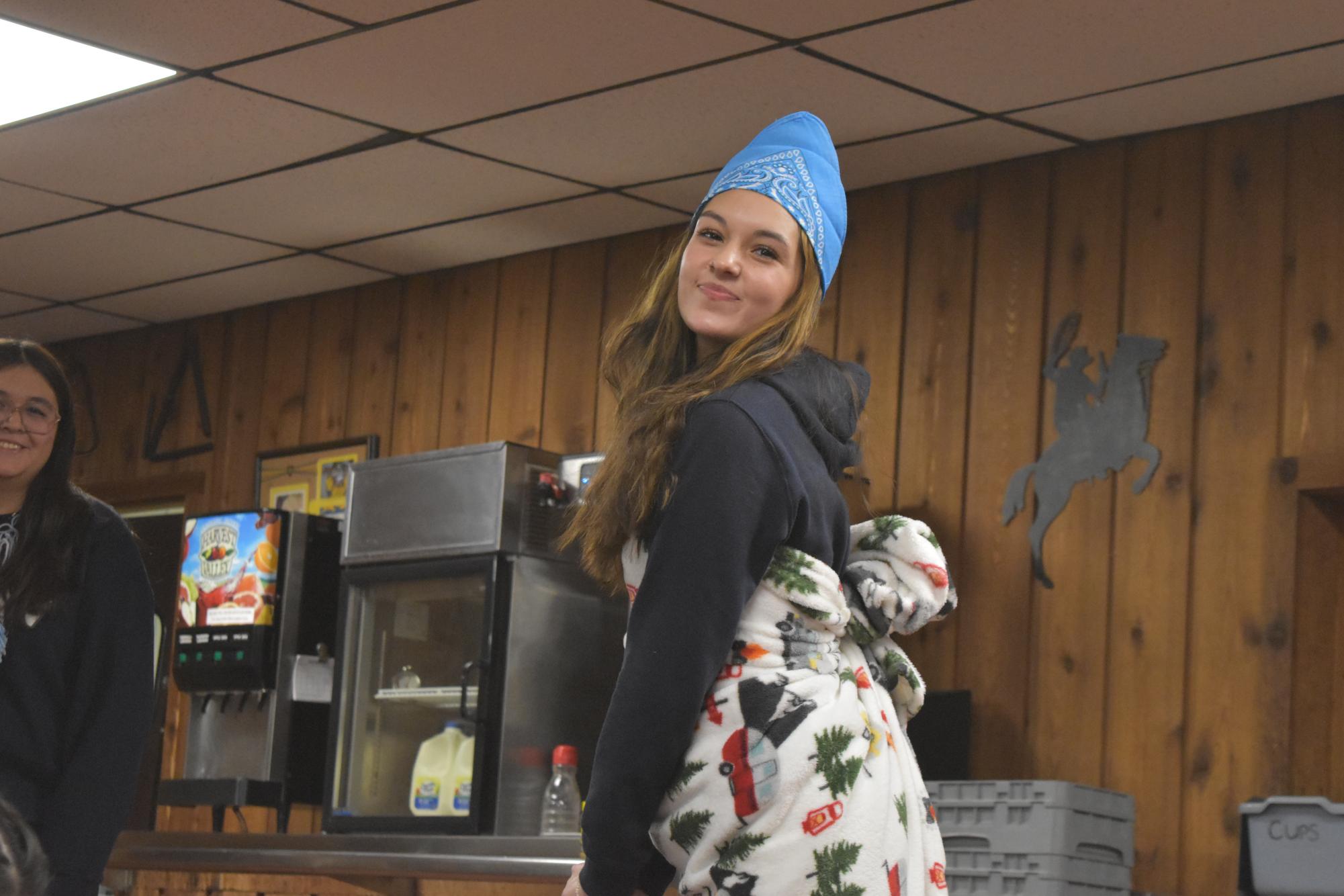
One of the most prominent throwbacks is the revival of Y2K fashion.
“I like a lot of bedazzles… I just like the amount of colors and layers that people would dress up [in] back then,” West Chicago Community High School senior Brissia Bucio said.
That longing for the 2000s reveals more than a love for rhinestones: it also reflects a desire to control a past Gen Z never fully experienced.
Retailers like Hollister, Urban Outfitters, and Aeropostale have embraced this nostalgia, reviving low-rise jeans, tracksuits, miniskirts and fur-trimmed hoodies. By reintroducing familiar styles, brands tap into both memory and marketing.
“The 2000s, like the aesthetics, just seem cool now compared to what we have today,” McWilliams said.
Many people also turn to thrift stores in search of authentic pieces that represent the Y2K style.
According to Haberin Devamı, the reporter behind “Gen Z’s Y2K revival turns thrift shops into goldmine for older sellers,” the early 2000s represented a time with limited social media, teenage rebellion and living in the moment – an era that may appeal to a generation raised with a device in hand.
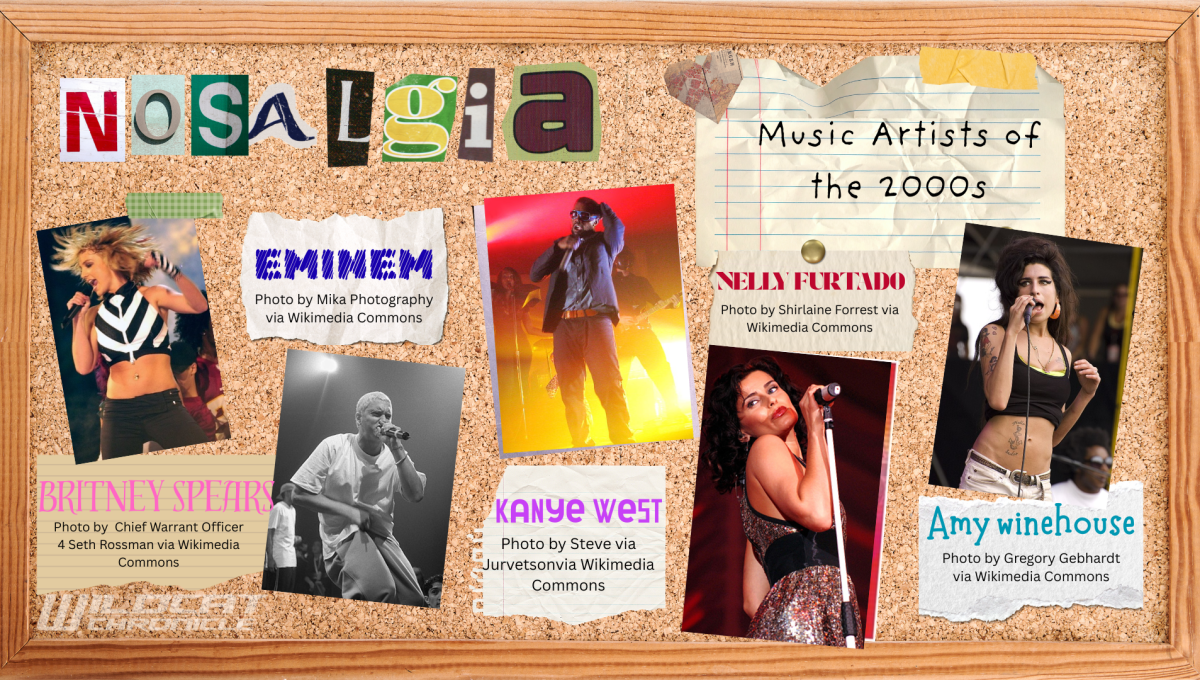
Nostalgia is also closely tied to music. While music continues to evolve, it often draws inspiration from older rhythms and storytelling.
“A lot of the stuff today just feels like we made this to make money versus we made this to show you something to give you something nice to listen to,” Morales said.
Artists from the 1970s and 1990s have had a particularly strong influence on modern trends, with social media looping music alongside curated aesthetics.
“Music brings you right back to where you are at… You can pinpoint like ‘I love that song, this is what it reminds me and wasn’t that such a great time?’, [but] was it really a great time?” Szot said.
According to “The Psychological Benefits of Nostalgic Music” by Shahram Heshmat, playing music that evokes nostalgia “can bring about a sense of youthfulness and a feeling of empowerment.”
Comfort drawn from clothing, music or art can help guide individuals forward. Nostalgia, when balanced, can provide reassurance rather than restriction.
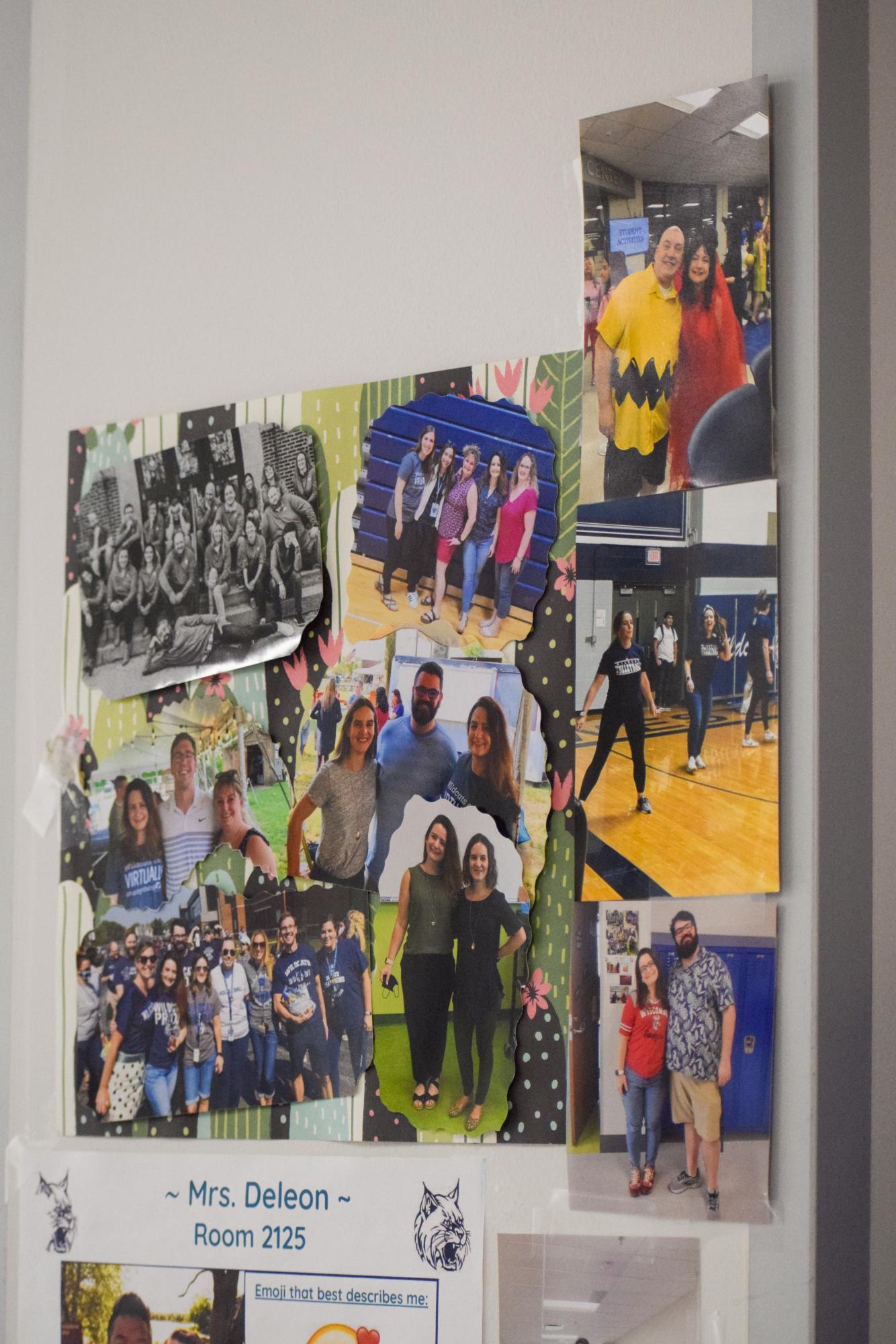
Nostalgia is powerful – but cannot always be seen in a positive light. For some, it stirs memories of trauma or loss. Objects or songs that once felt comforting can also trigger anxiety or sadness tied to the past.
“We live memories, social connection… but once it starts interfering with our life or your mental health, that’s [when it may be a concern],” Szot said.
This may be why some people depend on certain things from their childhood to use as coping mechanisms. From buying film cameras to constantly taking photos, these habits can become ways to preserve control in an uncertain world.
Nostalgia can impact a person’s interest by influencing their range of comfort. Based on that person’s experience, it determines how involved and memorable they want to be in their past.
“It’s just a cycle… It all depends on where that person is in their journey, in their life. Maybe they need to be stuck there,” Szot said.
It is important for people to recognize when their trauma is an issue for them and whether or not it is holding them back.
These issues can range from person to person, as many do; however, maintaining a balance between reminiscing and being stuck is crucial to living life.
Nostalgia remains a defining force in culture, uniting generations through shared memories. Whether it is a favorite childhood song or a revived 2000s trend, people keep finding new ways to celebrate the past – and in doing so, to better understand who they are today.
“If anything, I do more today than I did when I was a kid,” McWilliams said, a reminder that even when society looks back, humans keep growing forward.
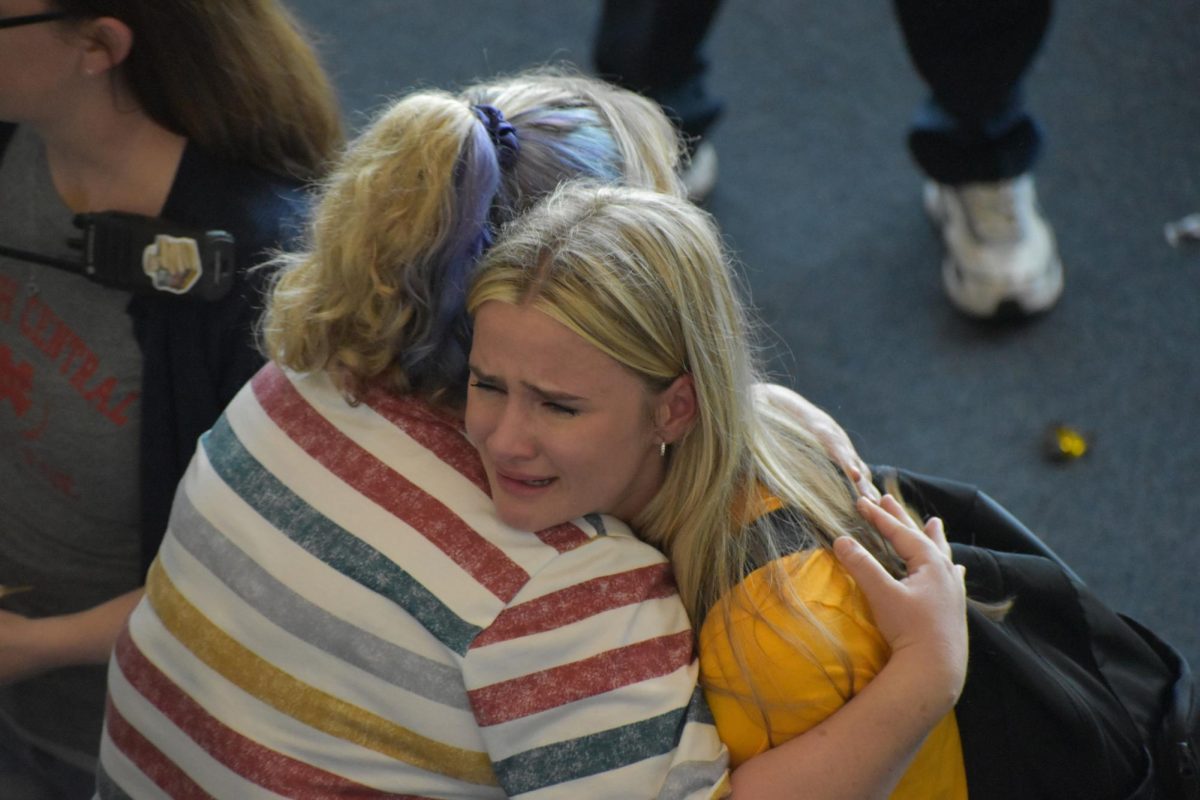
Nostalgia is powerful – but not always positive. For some, it resurfaces trauma or loss. Objects and songs once comforting can trigger sadness or anxiety tied to the past.
“We live memories, social connection, but once it starts interfering with your life or your mental health, that’s when it may be a concern,” Szot said.
This may explain why some people rely on childhood objects as coping mechanisms. Habits like collecting film cameras or constantly taking photos can represent a desire for control in uncertainty.
“It’s just a cycle. It all depends on where that person is in their journey,” Szot said. “Maybe they need to be stuck there.”
Recognizing when nostalgia becomes limiting is essential. Balancing reflection with growth allows individuals to move forward without erasing the past.
Nostalgia remains a defining force in culture, uniting generations through shared memories. Whether through a favorite childhood song or a revived Y2K trend, people continue to look back – and in doing so, better understand who they are today.
“If anything, I do more today than I did when I was a kid,” McWilliams said, a reminder that growth continues even as society reflects on the past.
Your donation will support the student journalists of West Chicago Community High School. Your contribution will help us cover our annual website hosting costs. We appreciate your support!