

![Sophomore Mary Wagner takes a photo of the photographer on an Instax Mini 8 film camera in November 2025. "Vintage [photography] captures the memories you made in the moment," Wagner said.](https://wildcatchronicle.org/wp-content/uploads/2025/11/Mary-Wagner-film-photo-11-18-1.jpg)
[IN-DEPTH] A generational divide: Why are so many young people photographers?

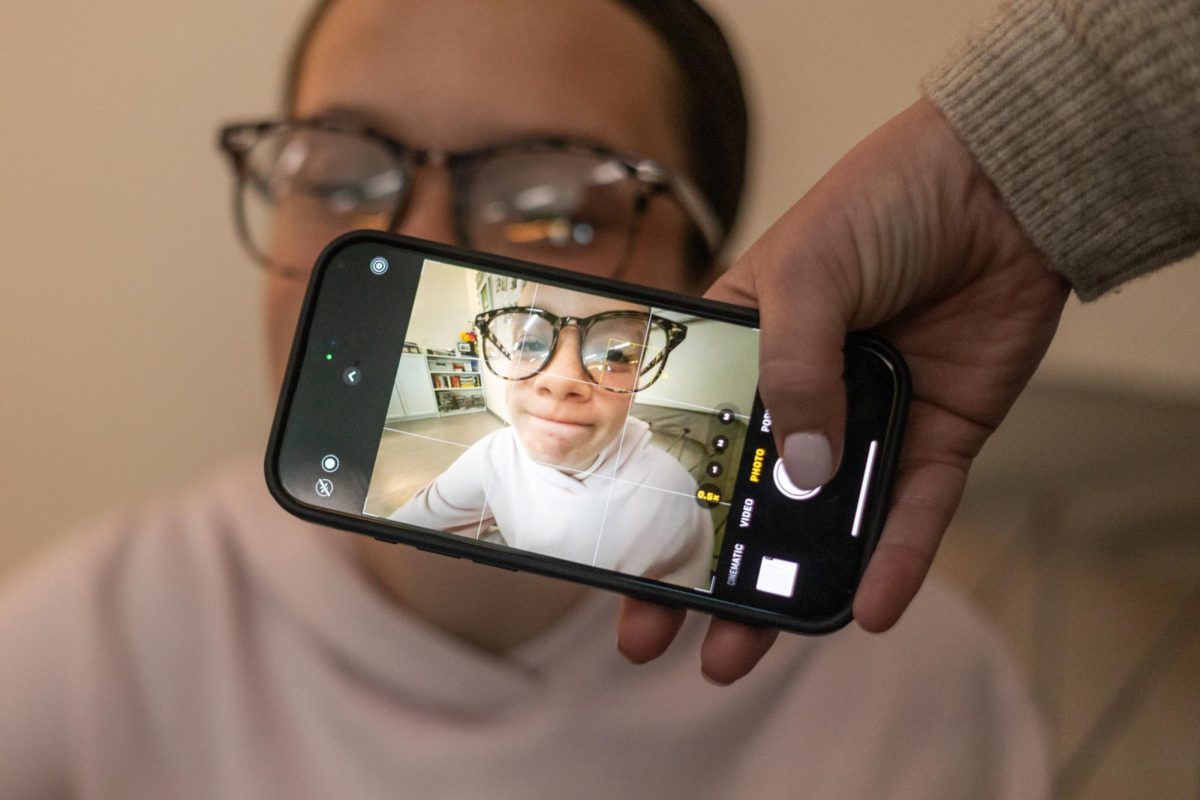
At a family gathering, cousins joke around, aunts pose for selfies, and someone inevitably calls for a group photo. A teen is “nominated” to take the picture because they “have a way with cameras,” though it’s nothing out of the ordinary. They sigh, line up, and smile. Later, when the grandparents look back, they see the faces — who was there, what the family looked like that year. But the younger photographer remembers the candid shots: the laughter, the movement, the moment itself — two generations, one event, and two very different ways of remembering it.
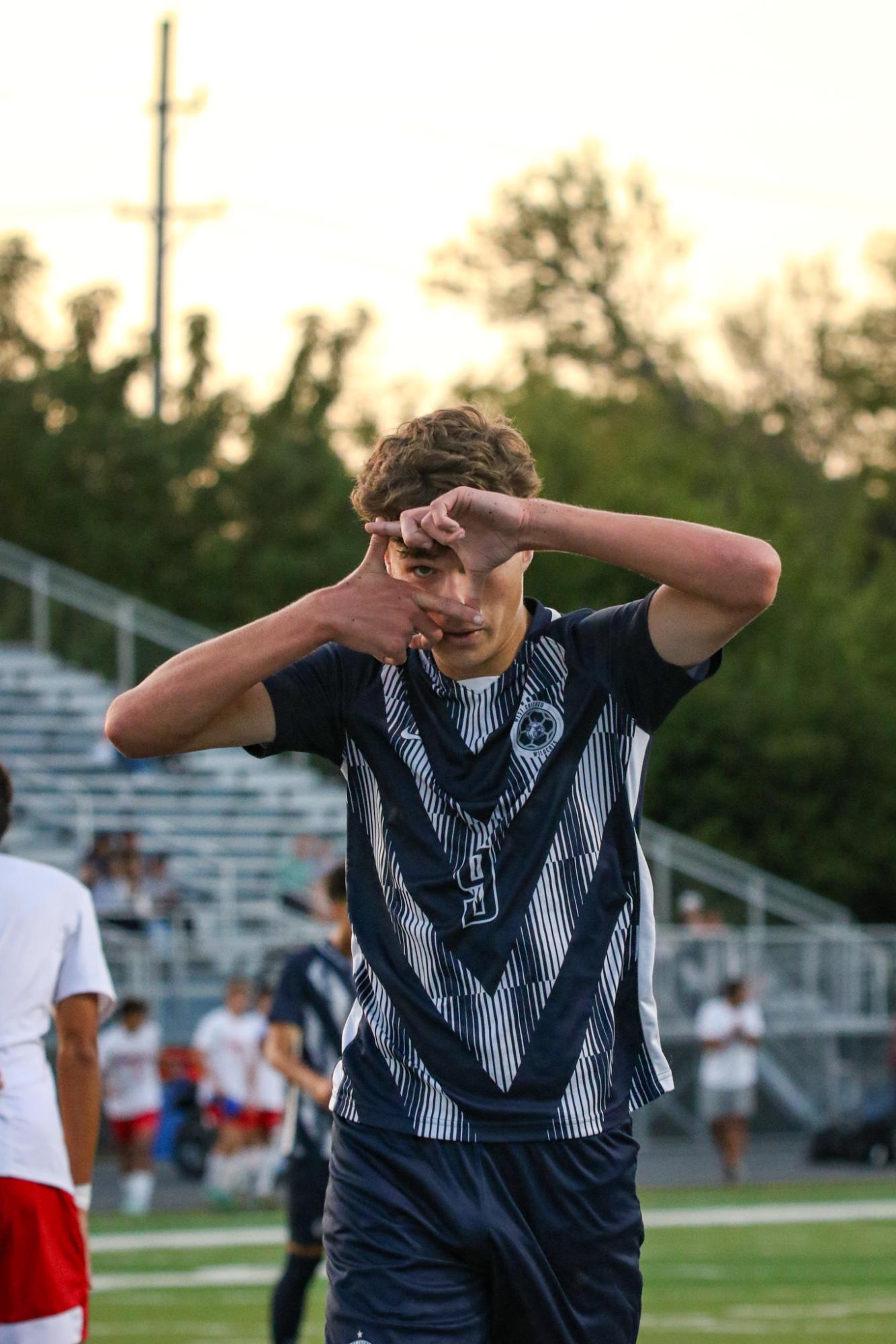
For some, a photo is a way to remember a moment or a fact or to capture something of interest – an easier alternative to writing something down or remembering something. For others, it holds far deeper meaning.
“Photographs are the universal language of our era,” Kathy Ryan, Director of Photography, The New York Times Magazine, said.
While that may not be everyone’s go-to definition of a photo, the statement is true; society would not be the same without it.
Photography has played a role in shaping this world. Humans see hundreds of pictures daily, and those pictures influence them, whether it be emotionally or educationally. Rather if it’s a picture of a loved one, one that teaches a lesson, or one that shares the news, photos capture the essence of life in a single frame.
A photograph has no linguistic boundaries and can be equally viewed by any human being with working eyes. A picture can be a form of art, a way to inform, a means to simulate an emotion, or a means to tell a story.
There are many reasons a person aligns themselves with photography: to make money, express oneself, create art, or document an event, but the reasons vary significantly between Gen Z photographers and more seasoned veterans.
According to a survey conducted on The Wildcat Chronicle’s Instagram page, 58% of the 108 people surveyed consider themselves photographers.
“I’ve always liked to take pictures, whether it was on my old digital camera or the basic Nikon that my parents have had for a long time,” West Chicago Community High School junior Emily Gee said.
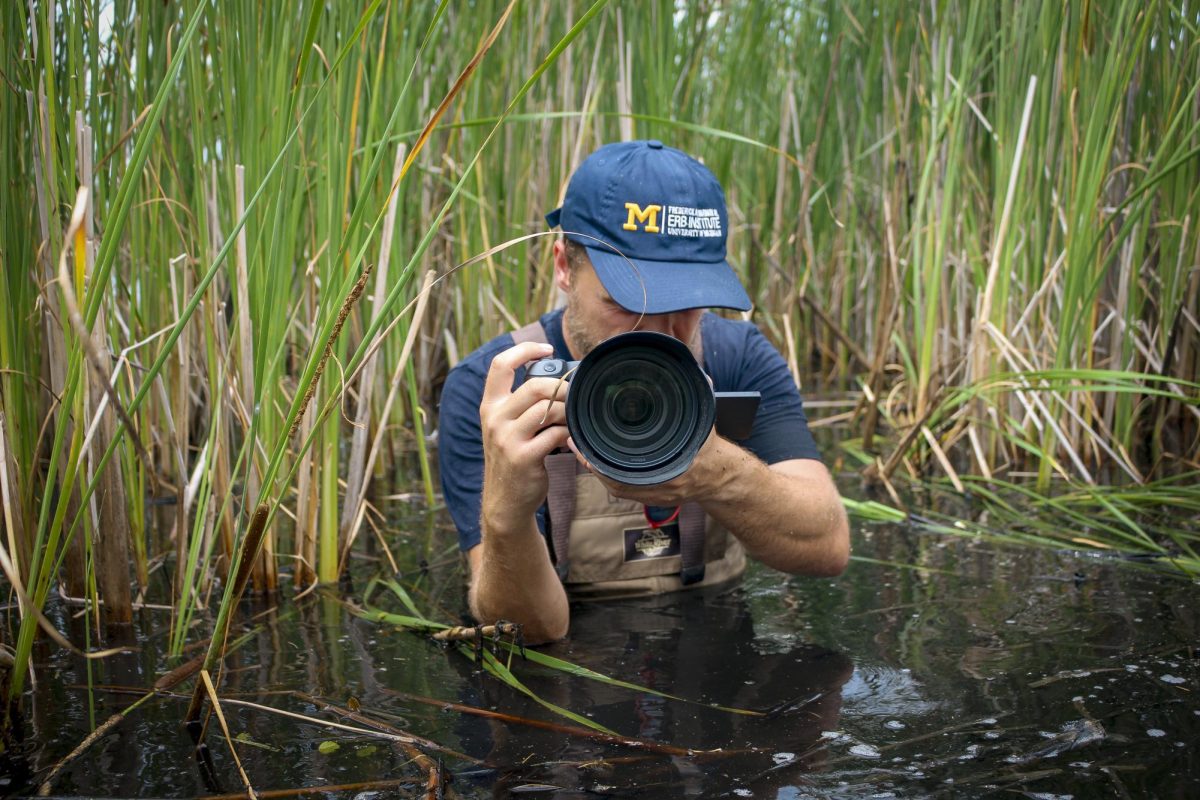
However, on the other end, Franco-American full-time photographer and videographer for the University of Michigan, Marc-Grégor Campredon, started back when film was the industry standard. His first exposure to photography was through his studies of video at university.
“When I started, it was film. I didn’t have a lot of money. It cost a lot. You have to realize by the time I was maybe 18 or 20, I had gone through about 80 rolls of film — roughly 1,000 or 2,000 photos,” Campredon said.
Although photography was first developed around 200 years ago, the rise of digital photography led to easier access for many people across the globe. Becoming a photographer, until recently, was rare and often challenging, let alone time-consuming.
Because Gen Z photographers grew up with instant access to cameras and editing tools, they often value spontaneity and experimentation more than precision. Older generations, who learned from film, tend to approach photography more deliberately.
“I learned on film and in a dark room: you had to develop your own pictures, then you had to print your own pictures. And it was like magic, because you couldn’t see anything until you put it in the chemicals, and suddenly there it was,” West Chicago Photography Teacher, Megan Dulkinys said.
Nowadays, a person takes a picture on their phone, and it’s instantly there.
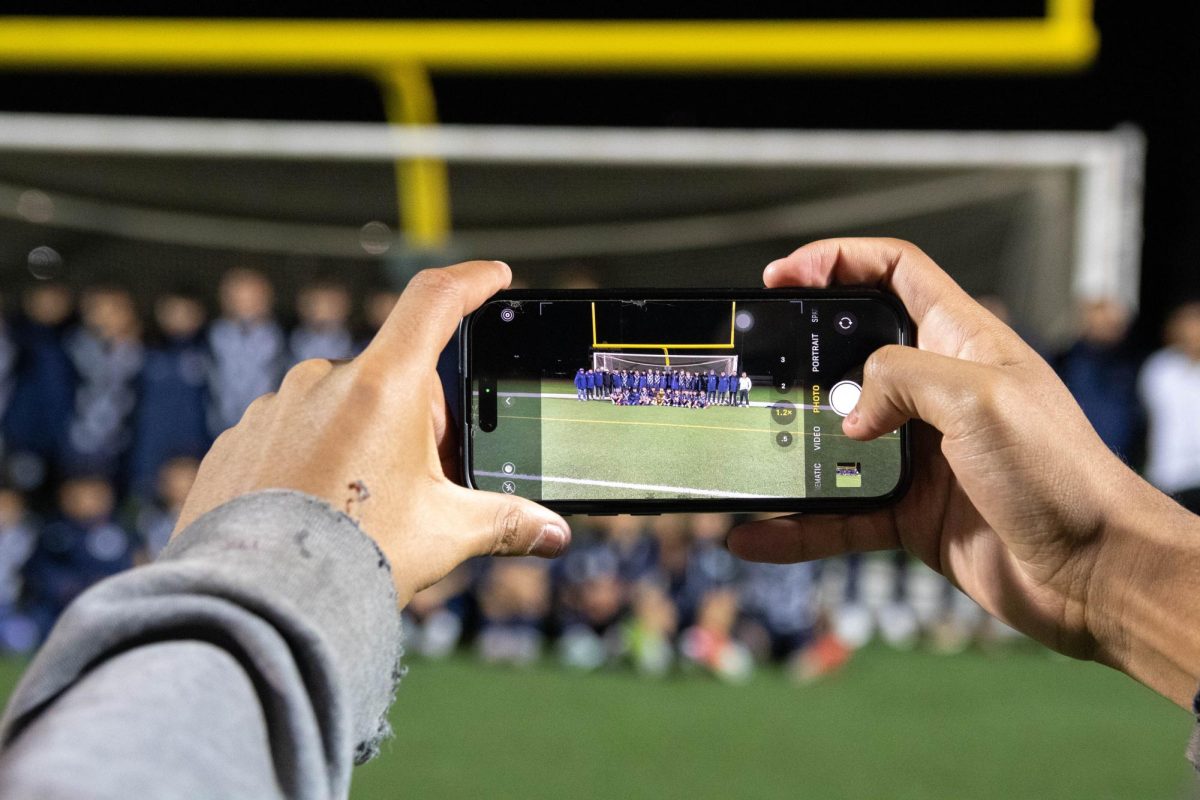
Wide accessibility to cameras has created more space and opportunity to grow as a photographer in a shorter time.
“But by the time you are 20… you probably have hundreds of thousands [of photos taken] because you live in the digital [age]. The reality is when you will be age 25, you probably will have had as much experience as I had when I was 35, now almost 40,” Campredon said.
This digital era has significantly increased the number of photos a person can see and create. As with anything, the more one practices, the better one becomes – and it is no different with photography. According to some sources, in 1990, humans took about 57 billion photos; if you divide that by the population at the time (5.299 billion), humans took an average of 10 to 11 photos per year. Nowadays, that number jumps to about 7300, since humans take an average of 20 pictures each day.
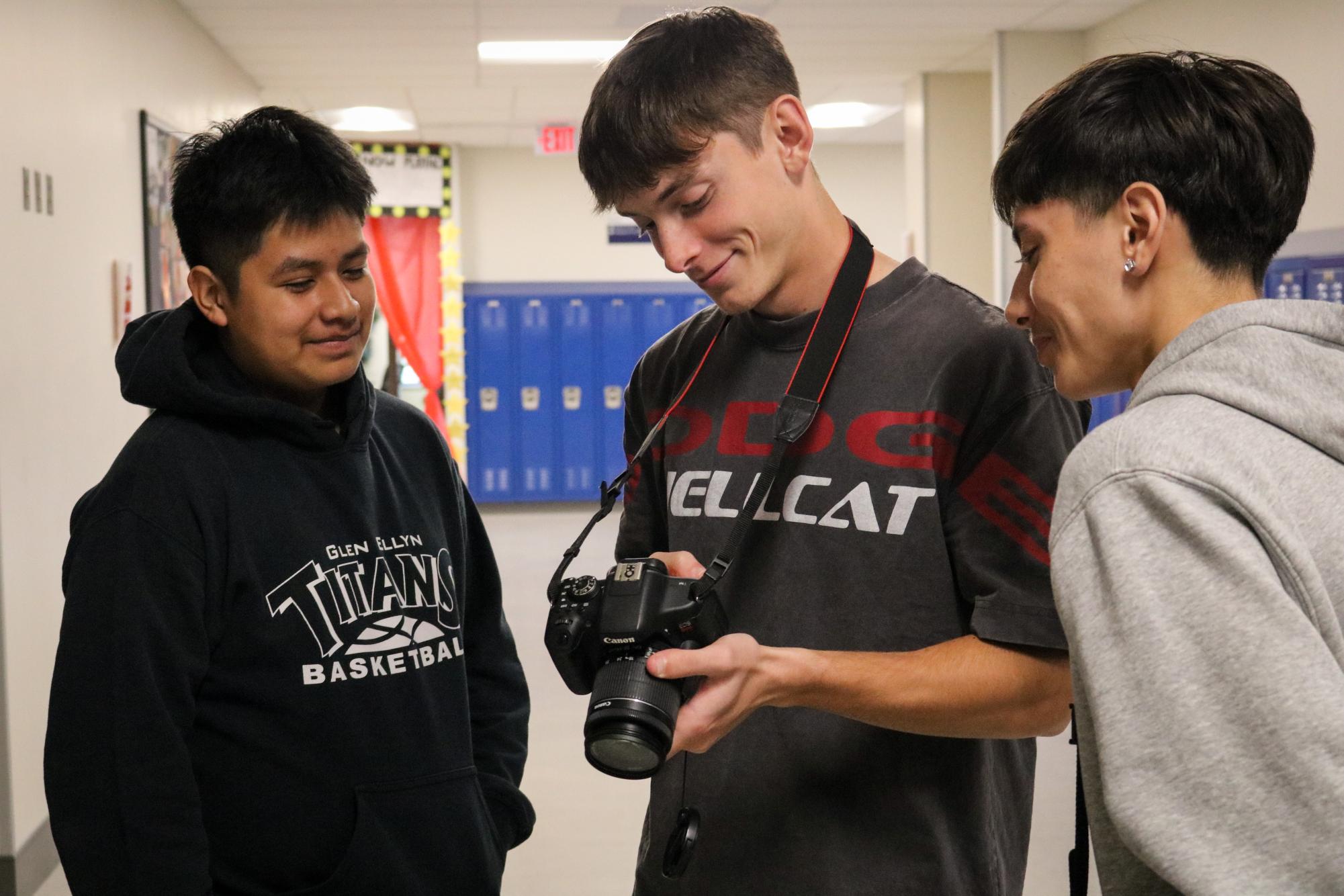
The differences in one’s journey to photography lead to an important question: as taking photos became easier, did the value of a single picture change?
While the cost of taking pictures has certainly decreased, so has the sense of rarity. Gen Z photographers tend to favor imperfect images for their authenticity and the mood they convey. Millennial photographers often see photos as a way to document meaningful stories — the candid shot versus the posed family portrait.
With less pressure for perfection, there is more room for creativity. “I don’t really overthink my shots. I just click. Half the time, I’m spamming the shutter until something happens”, West Chicago Junior Student Chris Lahtaw said.

Many young photographers tend to lean toward storytelling in their work – even if their photos actually convey emotion.
“In my opinion, the story is very important in photos,” West Chicago Community High School senior Thang Thang said. “I really focus on the events and friendships and anyone. I think people probably notice by now that I’m very inclusive of whose pic I [take].”
However, when asked about covering an event versus capturing the essence of the event, Thang realized he leaned more towards the aesthetics than documentation.
Campredon shared that the story of an image is the most important because if told well, the emotions will follow.
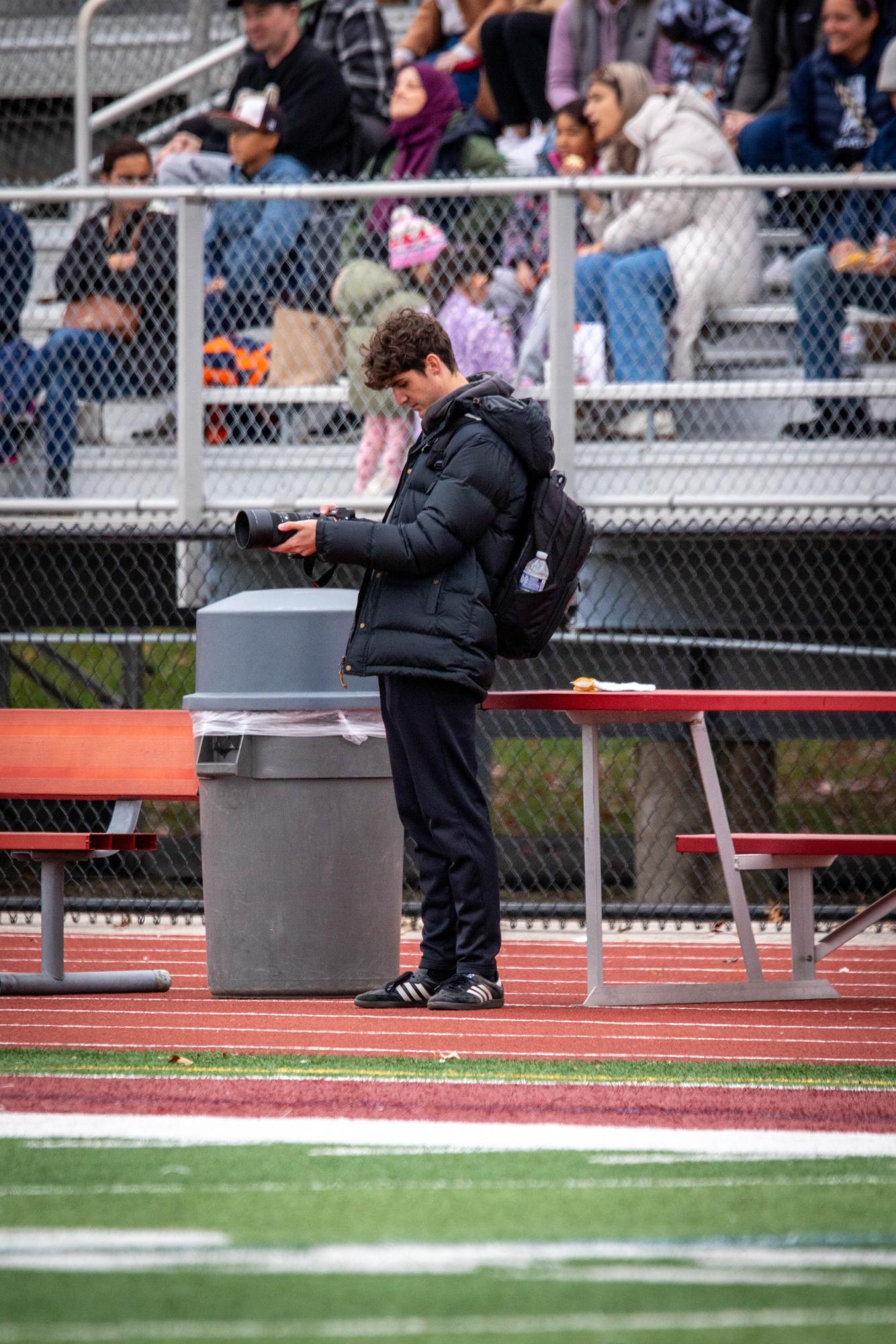
The divide between generations extends beyond personal photography. In journalism, photos exist to inform, document, and connect.
“As photo-journalists, we want our work to be out there – to inform and serve our community,” former Wildcat Chronicle multimedia manager Emily Ziajor said. “Whether it’s a photo of someone’s son during a football game or a powerful demonstration of people’s right to protest.”.
This transition from taking pictures to informing an audience can be challenging for many young photographers, as they often tend to overedit their photos. “I do edit a lot, though”, said Lahtaw. “I denoise the life out of my photos sometimes and push the brightness and contrast because I like vibrant and more brighter shots”. In photojournalism, excessive editing of a photo is frowned upon, as it may potentially reveal an influence or bias, rather than accurately representing what the moment looked like in person.

As photography grows and improves, it can be easy to get caught up in capturing a moment through the lens. There are many beautiful things in life, and seizing them with a camera can immortalize them forever; however, if a memory can only be remembered through a photograph, was it really a memory?
Photos are great, but for photographers, taking them becomes the only way to live and appreciate life. Sometimes, setting down the phone or camera to appreciate life in the moment creates a memory far more cherished than a picture could ever capture.
How much power will new generations let a photo have?
Revision
Nov. 18, 2025
The featured image on this article was updated to reflect additional commentary from a source.
Nov. 20, 2025
A source’s name was corrected due to a previous inaccuracy.
Your donation will support the student journalists of West Chicago Community High School. Your contribution will help us cover our annual website hosting costs. We appreciate your support!